By Chizoba Njaka
Governor Chukwuma Soludo’s administration has intensified efforts to reduce poverty in Anambra State through a combination of free social services, agricultural empowerment, youth skills development, road infrastructure and improved security. The administration’s approach goes beyond short-term welfare interventions, focusing on reducing the cost of essential services while creating opportunities for residents, particularly those in rural communities, to build sustainable sources of income.
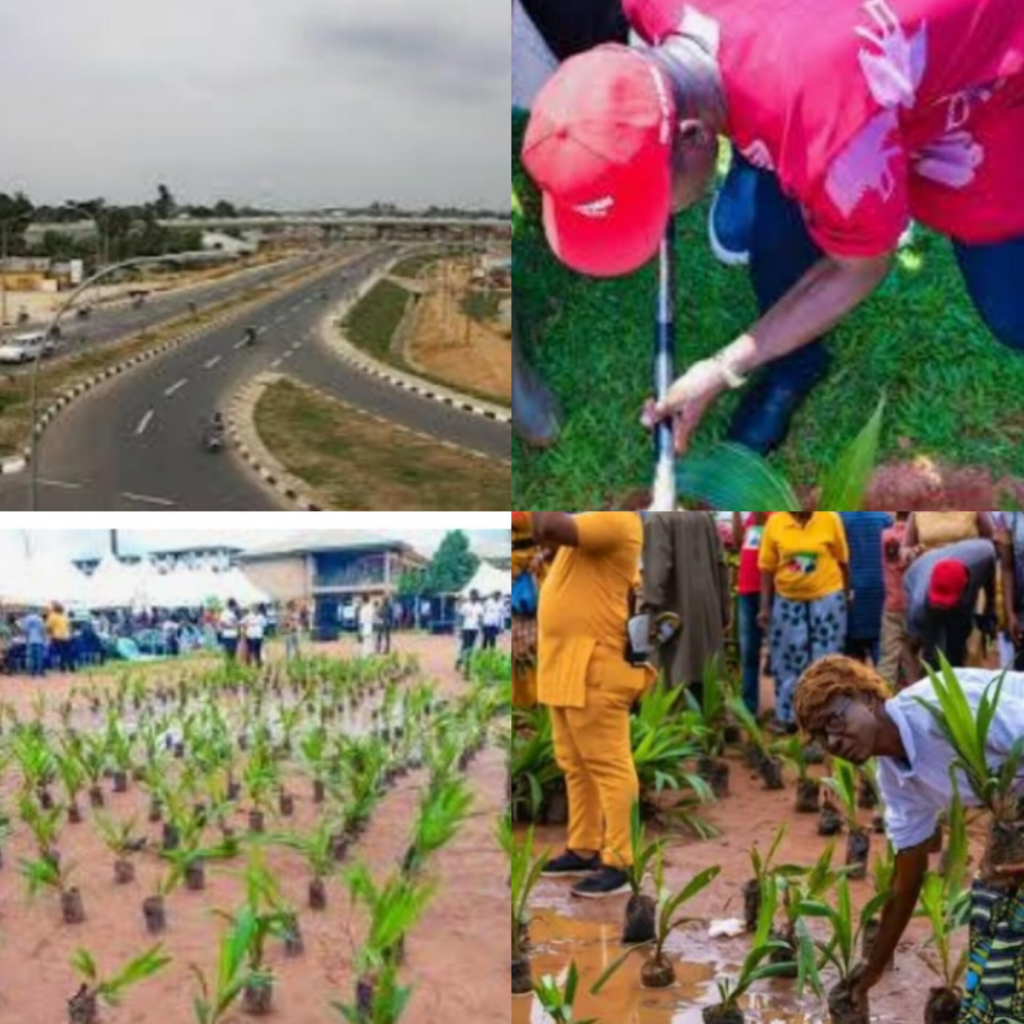
Agriculture remains a major component of the strategy, with the government distributing high-yield economic tree seedlings to households across the state. Official figures indicate that more than 2.6 million oil palm and coconut seedlings have been distributed to about 180,000 households, with longer-term targets of between five and 10 million seedlings for 500,000 households.
The Farm-to-Feed campaign, launched in 2024, is also aimed at encouraging subsistence and commercial farming, increasing local food production and reducing dependence on food supplies from outside the state. Smallholder farmers have received improved seedlings, subsidised fertilisers and other forms of support intended to increase productivity and strengthen household incomes.
The administration’s free education policy is another major element of its poverty reduction programme. Public nursery, primary and secondary education has been made tuition-free, while schools have been directed not to impose PTA, examination, sports and infrastructure levies. The extension of the policy to senior secondary classes is expected to further reduce the financial burden on parents, especially low-income families. For households with irregular incomes, savings on school expenses can be redirected towards food, housing and other basic needs.
Healthcare is also being used as a tool to reduce household expenses. The government’s free maternal healthcare programme provides antenatal care, delivery services and caesarean sections in public health facilities. Officials say tens of thousands of women have benefited from the initiative.
Road construction and rehabilitation form another part of the administration’s economic strategy. Projects including the Amawbia–Enugwu Agidi–Nawgu–Ukwullu road, Nnewi–Oba road, Ichida–Amichi road and the Anaku–Omor–Ifite Ogwari–Umueje–Omasi Agu corridor are designed to improve connectivity between rural communities, farms, markets and commercial centres.
Improved roads are expected to make the transportation of agricultural produce easier while reducing travel difficulties and improving access to schools, healthcare facilities and markets.
The administration has also pointed to the restoration of regular Monday economic activities following the decline of the enforced sit-at-home order. The return of markets, banks, schools and other businesses to normal monday operations has provided traders, workers and small businesses with the opportunity to recover economic activities previously lost each week.
Youth empowerment is another pillar of the poverty reduction agenda. Through the One Youth, Two Skills initiative, young people receive vocational and digital skills training, apprenticeships, entrepreneurship development and support through cooperatives, equipment and working capital. The programme is intended to equip young people with skills that can lead to self-employment, business creation and greater economic independence.
Security improvements have also been linked to the state’s economic development efforts, as safer communities and commercial centres are expected to encourage investment, trading and other economic activities.
Despite the wide range of interventions, questions remain about implementation, coverage and sustainability. While supporters see free education, healthcare, agricultural support, skills development and infrastructure projects as measures with direct benefits for residents, critics have questioned whether the programmes are reaching all intended beneficiaries.
There are also concerns that inflation and rising food prices could reduce some of the gains made by households, while agricultural and youth empowerment programmes may require sustained support before producing significant and lasting increases in income.
The state’s 2026 budget, presented at about N757.9 billion with 79 per cent allocated to capital expenditure, places significant emphasis on infrastructure, including roads, erosion control and flood management. However, the relatively smaller direct budget lines for agriculture and the environment suggest that partnerships, phased implementation and other funding arrangements may remain important to the delivery of some programmes.
For rural communities, the ultimate test of the poverty reduction strategy will therefore not only be the number of projects completed or beneficiaries reached, but whether the interventions translate into sustained improvements in household income and living standards.
As the debate continues, attention is increasingly shifting from the need for government intervention to the effectiveness, accessibility and sustainability of those interventions.
If properly sustained and effectively implemented, the combination of social protection, agricultural development, free education and healthcare, youth empowerment, infrastructure and security could provide a broader foundation for reducing poverty and improving living standards across Anambra State.
Chizoba Njaka is of the Ministry of Information and Value Reformation, Anambra State
#Ministryofinformationandvaluareformation
#Anambraisrising
#Informationiskey
#Solutionishere
#Solutioncontinues
🇳🇬
Official website of the Government of Anambra State
Here's how you know
🏛️
Official government websites
A .gov.ng is an official Nigerian government website managed by authorised government institutions.
🔒
Secure websites use HTTPS
A padlock icon and https:// means your connection is encrypted and secure.
- News & Media
- Citizen Engagement
- Projects
- Grievance Redress
- Contact Us