
By Stella Obi
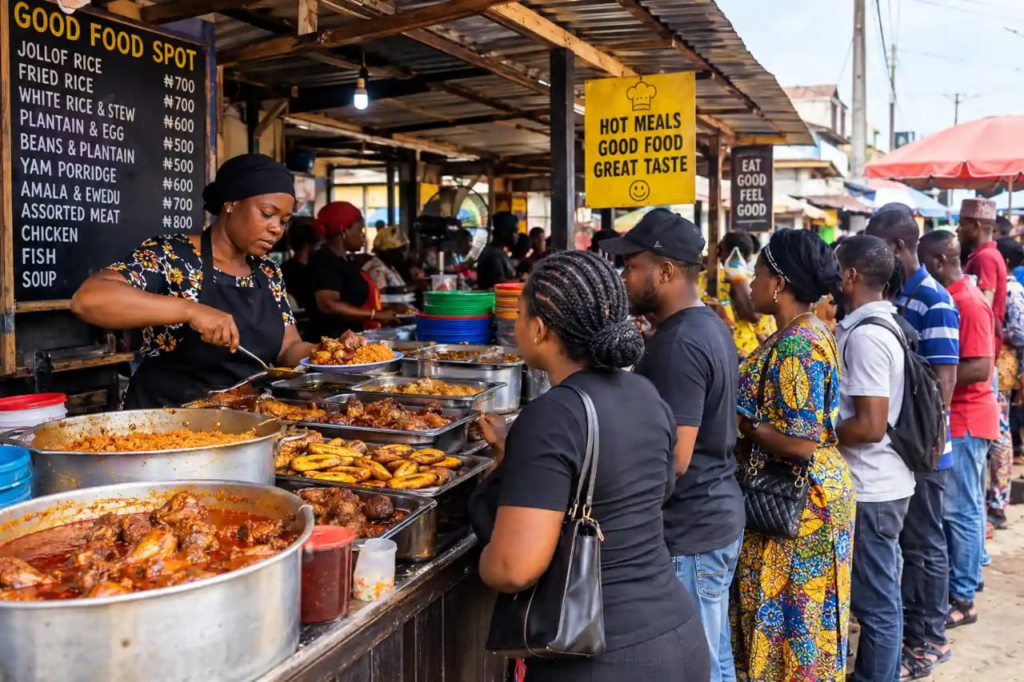
Roadside food has become an integral part of everyday life in Nigeria, particularly in busy urban centres where workers, traders, students and commuters rely on readily available meals to meet their daily nutritional needs.
From roasted plantain and yam to rice, beans, noodles, spaghetti and other local delicacies, roadside food vendors offer affordable and convenient meal options to millions of Nigerians. These vendors play an important role in providing food for people who may lack the time, financial resources or facilities to prepare meals at home.
However, growing concerns about food hygiene and safety have continued to generate questions about the health implications of consuming meals prepared and sold along roadsides.
One major concern is the condition of some food preparation and vending environments. In certain locations, food is exposed to dust, vehicle emissions and flies, while inadequate water supply, poor sanitation, improper food storage and unclean cooking utensils may increase the risk of food contamination and foodborne diseases.
Despite these challenges, completely avoiding roadside food may be difficult for many Nigerians, given its affordability, accessibility and convenience. This is particularly true for people who work long hours and have limited opportunities to prepare their own meals.
Nevertheless, it is important to acknowledge that not all roadside food vendors operate in unhygienic environments. Some maintain clean cooking spaces and observe basic food safety standards in preparing and serving their customers.
An Anambra-born motor spare parts dealer based in Lagos, Dominic Offor, who spoke in an interview on November 2, said he patronises roadside food vendors regularly because of the demanding nature of his work.
According to him, purchasing one or two meals during the day helps him cope with his busy work schedule, adding that while roadside food cannot be completely avoided, consumers should be selective about where they eat.
The increasing patronage of roadside food is largely influenced by economic realities, convenience, accessibility and changing lifestyles. For many Nigerians, eating roadside meals is less a matter of personal preference than a practical response to the demands of daily living.
However, consumers are encouraged to prioritise hygiene when choosing food vendors, paying attention to the cleanliness of their surroundings, cooking utensils, food storage and methods of food handling to minimise the risk of foodborne illnesses.
Stella Obi is of the Ministry of Information and Value Reformation, Anambra State
#Ministryofinformationandvaluareformation
#Informationiskey
#Solutionishere