By Bridget Uju Nwoye
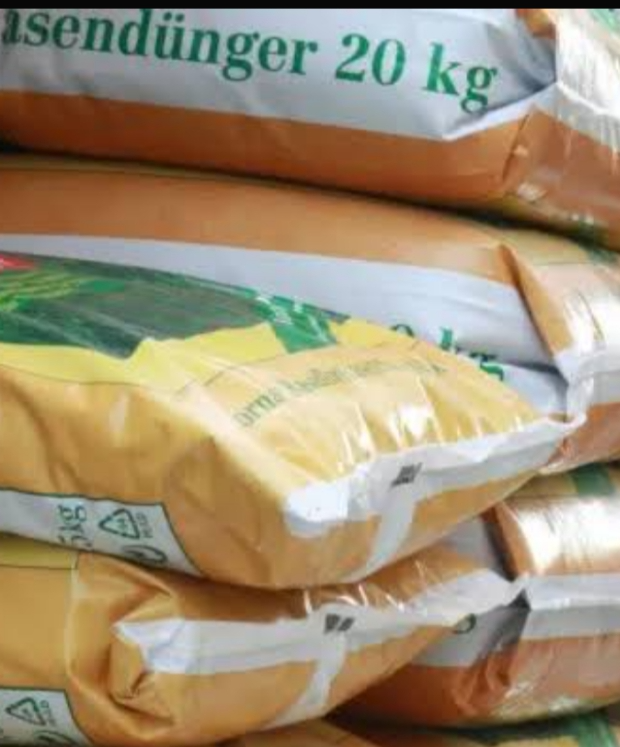
The sharp escalation in fertiliser prices in Anambra State is intensifying economic concerns, with adverse implications for agricultural productivity, food prices, and local manufacturing, as farmers project a challenging planting season.
Farmers in major agricultural hubs, like Ayamelum, Anaku, and Omor, commonly regarded as the state’s food basket have reported that the cost of fertiliser has rendered them unable to secure adequate supplies for the cultivation of staple crops, including rice, maize, and vegetables.
Consequently, many farmers have resorted to reducing fertiliser application rates or leaving portions of their farmland uncultivated. This development is anticipated to result in diminished harvest yields and a corresponding escalation in food prices across major markets in Awka, Onitsha, and Nnewi.
Mrs. Helen Okeke, a rice farmer said the situation has deteriorated significantly. “I previously purchased up to 20 bags for my farm, but this year I can scarcely afford 10. Without adequate fertiliser, yields will decline and food prices will rise. If urgent action is not taken, food will become scarce and prices will be beyond the reach of ordinary citizens,” Mrs. Okeke cautioned.
Analysts also attribute the surge in fertiliser prices to broader macroeconomic challenges in Nigeria, including high energy costs, exchange rate volatility, and global supply chain disruptions, which have collectively escalated production costs across sectors.
While the Anambra State Government reaffirmed its commitment to supporting agriculture through expanded programmes and input assistance, farmers are calling for immediate and decisive intervention.
As the planting season progresses, stakeholders maintain that the rising cost of fertiliser constitutes a significant threat to food security, industrial stability, and the overall economic well-being of the state.
Bridget is of the Ministry of Information, Anambra State
🇳🇬
Official website of the Government of Anambra State
Here's how you know
🏛️
Official government websites
A .gov.ng is an official Nigerian government website managed by authorised government institutions.
🔒
Secure websites use HTTPS
A padlock icon and https:// means your connection is encrypted and secure.
- News & Media
- Citizen Engagement
- Projects
- Grievance Redress
- Contact Us