
By Bridget Uju Nwoye
Traders and buyers at the bustling Afo Nawfia Market in Njikoka Local Government Area of Anambra State are grappling with persistent fluctuations in the prices of essential commodities, a trend that is increasingly shaping trading activities and household spending.
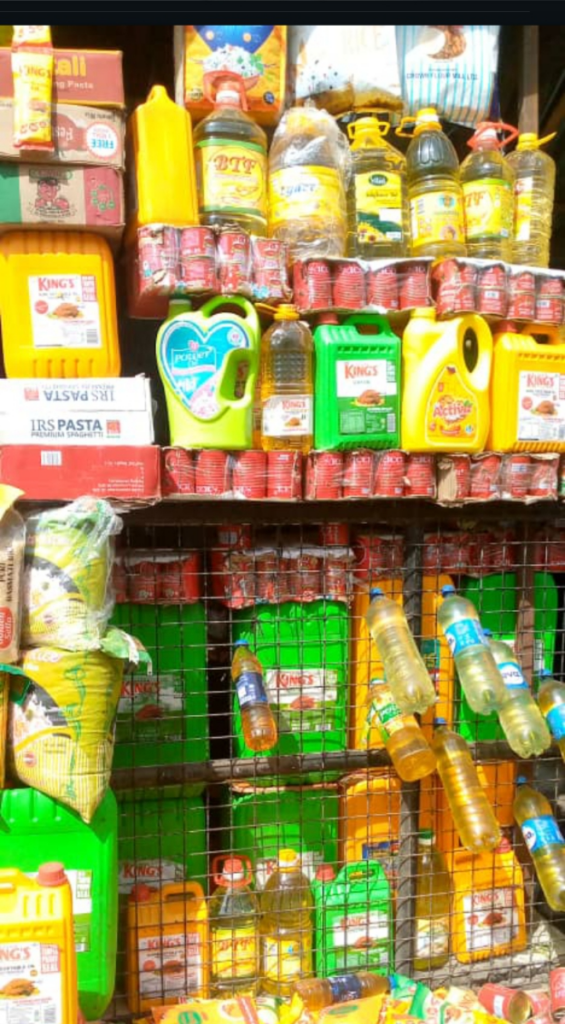
Food items such as rice, garri, tomatoes, onions, beans, and palm oil no longer have fixed prices, with costs changing frequently based on supply conditions, transportation expenses, and seasonal availability.

A foodstuff trader, Mrs. Ifeoma Okeke, described the instability as a daily challenge for both sellers and customers. “Prices change almost every market day. Fruits we used to buy at a stable rate now fluctuates almost weekly. Sometimes we purchase goods at a higher price, and before we finish selling, the price increases again. It is not easy for us, and customers complain a lot”.
She further noted that the rising cost of transportation, especially for goods transported from northern Nigeria, has significantly contributed to the situation.
On the part of buyers, the uncertainty in prices has made household budgeting increasingly difficult. A regular customer, Mr. Chidozie Uzochukwu, expressed frustration over the unpredictable nature of food prices.
“You cannot even predict the price of tomatoes or pepper anymore. Today it is affordable, tomorrow it doubles. It is really affecting families because planning has become very difficult.”
Adding his perspective, a wholesale dealer, Mr. Emeka Nwankwo, attributed the fluctuations in prices largely to seasonal supply patterns and the rising cost of fuel.
“Most of our goods come from distant locations. When fuel prices go up, transportation costs increase, and that reflects in the final price. Also, during off-season periods, scarcity naturally pushes prices higher.”
Despite these challenges, there is a sense of cautious optimism among traders. Many believe that prices may stabilize with improved harvest seasons and better transportation conditions. Some buyers also called for government intervention to strengthen food supply chains and reduce the burden on consumers.
As economic pressures continue to influence market dynamics, traders and buyers are adapting to a new reality, where prices are no longer constant but constantly shifting with the forces of demand and supply.
Bridget is of the Ministry of Information, Anambra State