By Ginika Oguji
As the world marks World Breastfeeding Week 2026, a midwife at Comprehensive Medical Centre, Akwuzu, Mrs. Ifunanya Nwachukwu, has urged expectant and nursing mothers to prioritise exclusive breastfeeding during the first six months of a child’s life to ensure healthy growth and development.
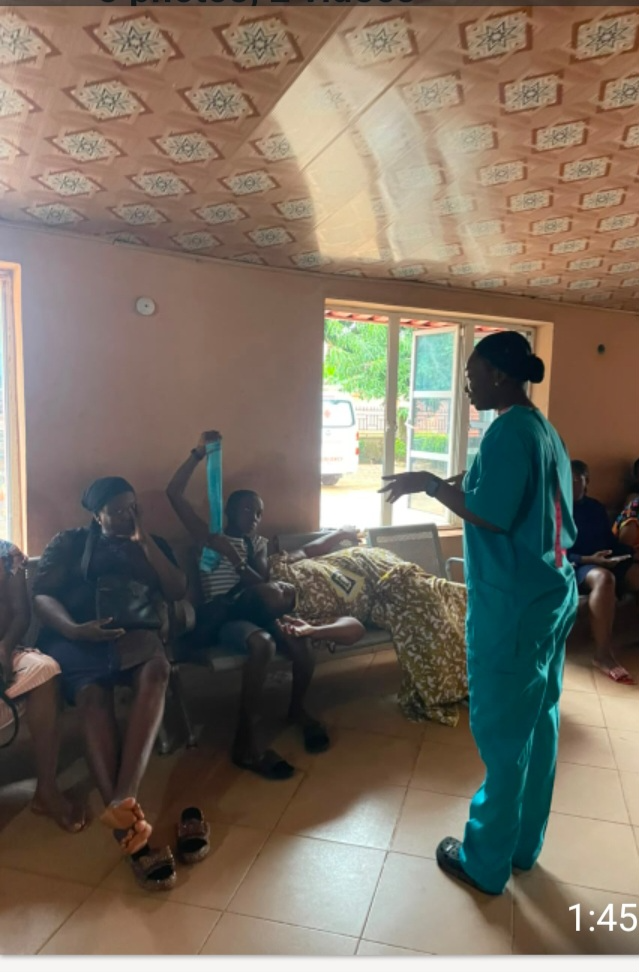
Mrs. Nwachukwu gave the advice during the hospital’s weekly antenatal clinic and health education programme held on Aug. 5, where she described breast milk as the safest, most nutritious and affordable source of nourishment for newborns.
According to her, exclusive breastfeeding provides babies with all the water, nutrients and protective antibodies they need during their first six months of life, eliminating the need for water, infant formula or any other food.

“Breastfeeding is not just about feeding a baby. It provides protection against diseases, strengthens the bond between mother and child, and lays the foundation for a healthy future,” she said.
She explained that babies who are exclusively breastfed have stronger immunity, improved brain development, healthier weight gain and a lower risk of illnesses such as diarrhoea and pneumonia.
Mrs. Nwachukwu highlighted the health benefits for mothers, noting that breastfeeding promotes faster recovery after childbirth and reduces the risk of breast and ovarian cancers. She added that families also save money on infant formula and medical expenses because breastfed babies are generally more resistant to common childhood illnesses.
The midwife stressed that successful breastfeeding begins during pregnancy through proper education and preparation, encouraging expectant mothers to seek guidance during antenatal care.
She advised mothers not to discard colostrum, the thick yellow breast milk produced immediately after delivery, describing it as “a baby’s first vaccine” because of its rich disease fighting properties.
Mrs. Nwachukwu encouraged working mothers to learn how to express and safely store breast milk to enable them to continue exclusive breastfeeding after resuming work, calling on husbands and other family members to support breastfeeding mothers instead of encouraging the early introduction of water or other foods.
One of the participants, Mrs. Joy Ogana, described the health talk as enlightening, admitting that she previously believed babies needed water in addition to breast milk.
“I thought my baby would be thirsty without water, but today’s session has changed my understanding. Although my current baby is already four months old, I will ensure I practise exclusive breastfeeding with my next child,” she said.
World Breastfeeding Week is observed annually from August 1 to 7 to promote breastfeeding and improve the health and survival of infants worldwide. The 2026 theme, “Breastfeeding for a Sustainable Start in Life: Strengthen What Works,” highlights the importance of protecting, promoting and supporting breastfeeding in every setting.