By Sylvia Tochukwu-Ngige
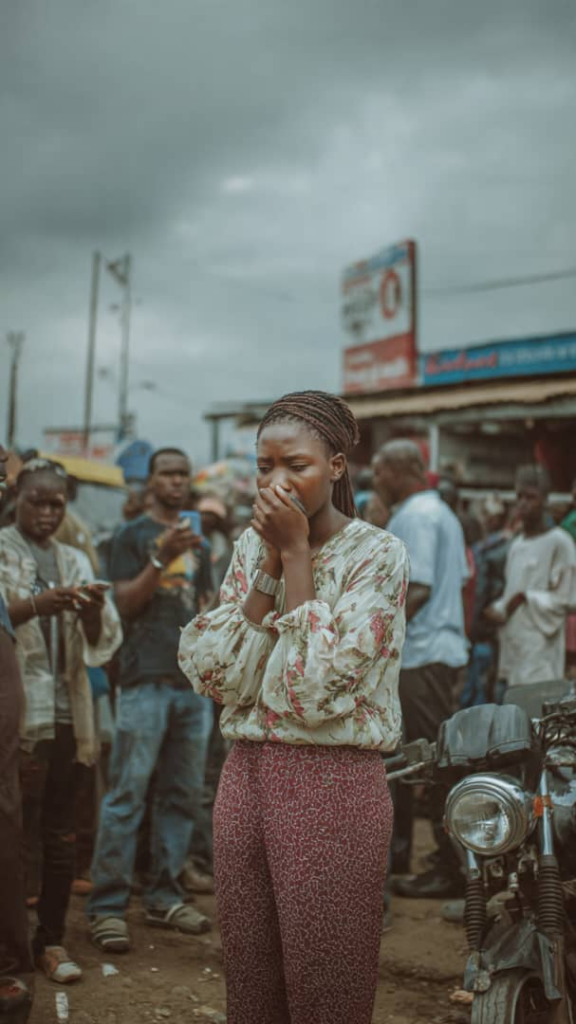
Residents of Awka are grappling with a troubling question after a young woman was seen crying, begging for money, and wandering near the UNIZIK Temporary Site Junction earlier this week.
The woman, described as neatly dressed and visibly distressed, sobbed while approaching passersby and university students, pleading for help. Some onlookers sympathized and offered money, while others laughed, pulled out their phones, and dismissed her as a content creator.
“She looks too decent for this. She is probably creating content. How can a grown woman, dressed like that, be crying and begging young men for money unless she’s on hard drugs?” one bystander remarked, echoing a sentiment widely shared on the scene.
The incident has exposed a worrying shift in public behaviour, many observers say, fuelled by Nigeria’s booming “content culture.” While social media has opened new opportunities for young Nigerians to create, entertain, and earn a living, the race for virality has pushed some creators toward reckless extremes.
Across the country, Nigerians now regularly encounter staged kidnappings designed to test public reactions, fake giveaways that end in stampedes, pranks simulating assault in public spaces, and skits that mock mental illness or disability for laughs. In this context, genuine public breakdowns increasingly look like performances.
Critics warn that the real cost is the erosion of public trust. When every emotional crisis is suspected to be scripted, genuine distress risks being ignored. Victims of abuse, depression, or sudden hardship may be filmed instead of helped, as compassion is replaced by curiosity and the urge to capture a viral clip.
Suffering, some argue, has become a content niche. Tears, panic, humiliation, and chaos generate engagement, so people manufacture them. Audiences, repeatedly exposed to staged emotions, become cynical. Compassion is reduced to a currency traded for likes and views.
The consequences extend beyond Awka.
These videos often go viral beyond Nigeria, shaping how outsiders perceive the country as a society where trauma is staged for clout and public order is secondary to engagement. Such perceptions can affect tourism, business partnerships, and the dignity of ordinary Nigerians who simply want to live in peace.
There are also growing legal and physical risks. Law enforcement agencies have arrested skit makers for inciting panic, and some creators filming fake thefts or kidnappings have been attacked by mobs. One poorly judged prank can lead to arrest, injury, or even death.
Mental health advocates are equally alarmed. When emotional breakdowns are routinely faked for content, it becomes harder for people with genuine mental health challenges to be taken seriously. The line between real crisis and performance blurs, and those who need help may be mocked or ignored.
As Awka grows and urbanises,
community leaders and professionals are calling for stronger ethical standards in content creation, platform accountability, and public education on responsible media culture. Creativity, they argue, should never come at the expense of truth, dignity, or public safety.
For now, nobody can say with certainty whether the young woman near UNIZIK Temporary Site was acting or genuinely in crisis. The fact that so many people could not tell and that several chose to film first and help later is the most troubling part of the story.
If she is struggling with mental health challenges, advocates say she deserves intervention from healthcare professionals, the Ministry of Women’s Affairs, or any compassionate individual willing to offer support. But as content culture deepens, the instinct to doubt first and care later may cost lives and communities the very empathy that keeps them human.
Sylvia is of the Ministry of Information, Anambra State
#Ministryofinformation
#Anambraisrising
#Informationiskey
#Solutionishere
#Solutioncontinues
🇳🇬
Official website of the Government of Anambra State
Here's how you know
🏛️
Official government websites
A .gov.ng is an official Nigerian government website managed by authorised government institutions.
🔒
Secure websites use HTTPS
A padlock icon and https:// means your connection is encrypted and secure.
- News & Media
- Citizen Engagement
- Projects
- Grievance Redress
- Contact Us