By Obianuju Isima
Ensuring equal access to the latest HIV prevention options for everyone, regardless of gender, age, occupation or background, has emerged as one of the major discussions at the 26th International AIDS Conference (#AIDS2026) taking place in Rio de Janeiro, Brazil.
The conference, which commenced on July 26 and will conclude on July 31, is themed “Rethink. Rebuild. Rise.” It has brought together scientists, policymakers, healthcare professionals, advocates and community leaders from around the world to discuss innovative strategies for ending HIV as a public health threat by 2030.
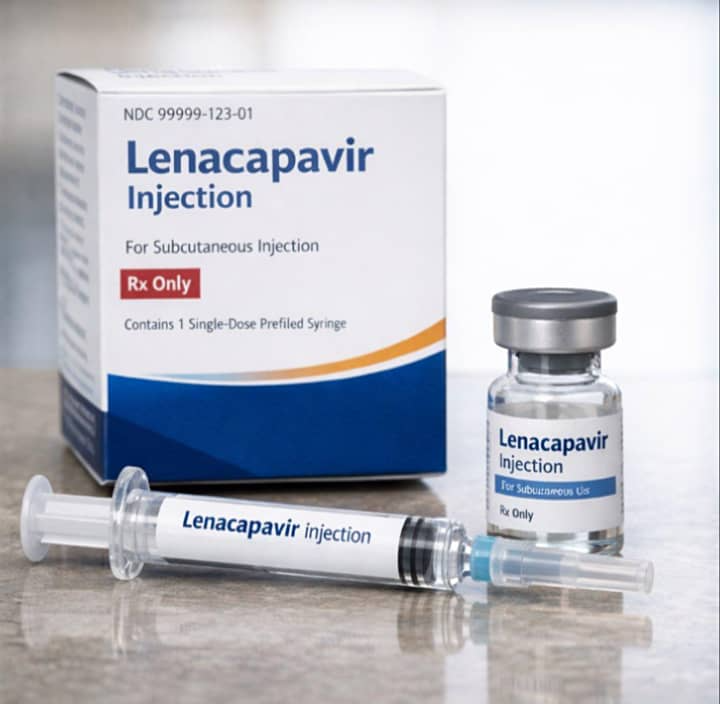
A key focus of this year’s conference is expanding equitable access to new HIV prevention technologies, including lenacapavir, a long-acting injectable medication that has shown strong potential in preventing HIV infection among people at substantial risk. Unlike daily oral pre-exposure prophylaxis (PrEP), lenacapavir is administered as a subcutaneous injection by a trained healthcare provider once every six months, offering eligible individuals a long-acting HIV prevention option that may improve adherence to preventive treatment.
Participants emphasized that everyone, including women, men, young people, sex workers, men who have sex with men, transgender people and other populations at increased risk of HIV, should have equitable access to evidence-based HIV prevention services without stigma or discrimination.
Stakeholders at the conference stressed that achieving global HIV targets will require sustained investment in prevention, stronger health systems, community engagement and policies that ensure no one is left behind.
Organized by the International AIDS Society (IAS), the conference continues to serve as the world’s largest gathering on HIV science, policy, advocacy, and community action, providing a platform to share research findings, innovations, and best practices for strengthening the global HIV response.
Obianuju Isima is of the Ministry of Information and Value Reformation, Anambra State