By MaryAnn Chukwuma.
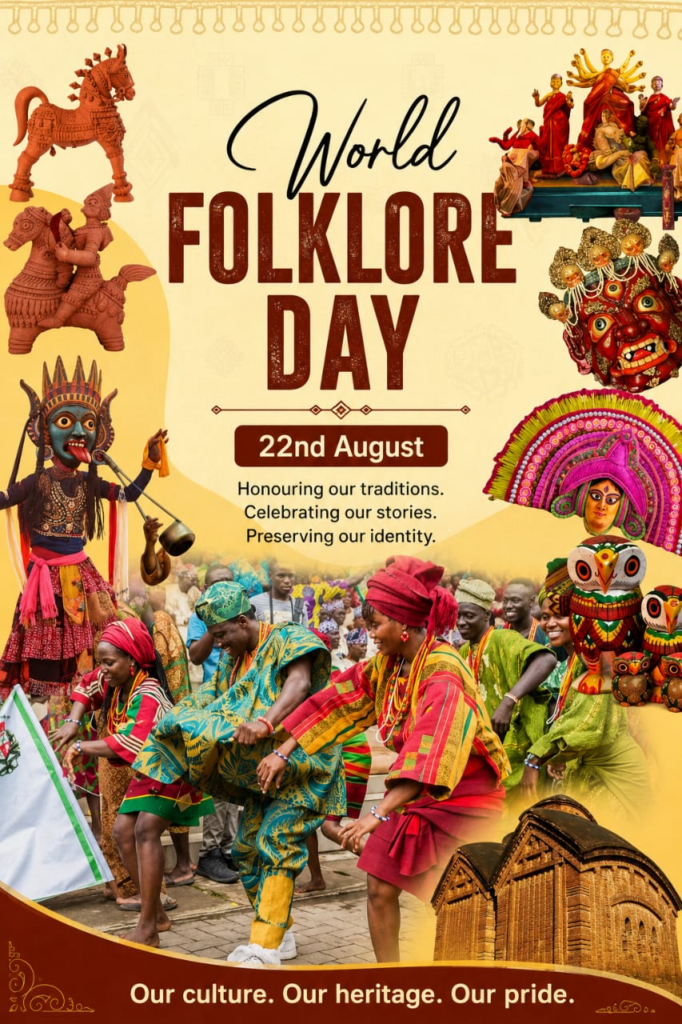
Every August 22, World Folklore Day celebrates the stories, traditions, music, dances, customs and indigenous knowledge that give communities their identity. For Nigeria, folklore remains a powerful expression of the country’s rich cultural diversity.
From the Igbo, Yoruba and Hausa-Fulani to the many ethnic groups across the country, Nigeria’s cultural landscape is filled with unique traditions, languages, festivals, cuisines, music, arts and indigenous practices that tell the story of its people.
For Anambra State, this rich heritage remains an important part of its identity. Under the administration of Governor Chukwuma Charles Soludo, CFR, there has been renewed attention to preserving and promoting the state’s cultural heritage, tourism and entertainment.
Through the Ministry of Culture, Entertainment and Tourism, the administration has continued to support indigenous festivals and cultural activities that bring communities together while showcasing the traditions and heritage of Anambra.
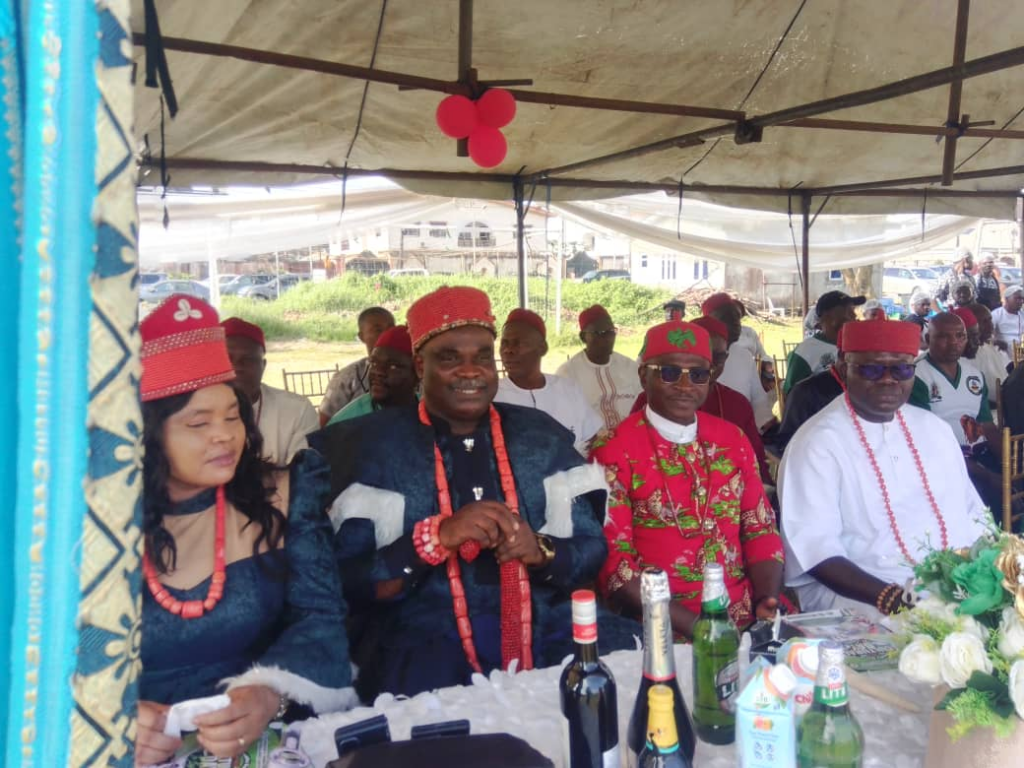
The 2026 Olili Ede Mbughu Festival in Igbo-Ukwu, organised in collaboration with the Ministry, provided a platform for traditional performances, cultural displays and the promotion of the community’s rich heritage.
The festival also drew attention to the National Yam House in Igbo-Ukwu, with efforts to develop it as a major cultural and tourism destination. Such initiatives demonstrate how cultural institutions and festivals can support tourism and create economic opportunities.
Beyond festivals, the Soludo administration has continued to focus on developing Anambra’s tourism assets, including Ogbunike Cave, Agulu Lake, Owerre-Ezukala Waterfalls and Anam Beach, while pursuing broader plans to strengthen the state’s tourism sector.
Another major initiative is Onwa Dezemba, a cultural and entertainment fiesta designed to project Igbo culture, strengthen communal bonding and position Anambra as a major destination for culture, entertainment and tourism.
The programme also provides platforms for musicians, performers, creatives and businesses, showing how culture can move beyond preservation to become a source of employment, enterprise, tourism and economic development.
On this World Folklore Day, therefore, Anambra’s cultural renaissance under the Soludo administration offers a reminder that preserving folklore is not simply about holding on to the past, but keeping our identity alive.
When our stories, traditions, festivals, arts and indigenous knowledge are preserved and promoted, they become a bridge between generations, allowing young people to understand their roots while presenting Anambra’s unique identity to the wider world.
For Ndi Anambra, preserving culture means preserving identity. And with sustained investment in culture, tourism and entertainment, the heritage handed down by our ancestors can remain a source of pride while contributing meaningfully to the development of the state.
MaryAnn is of the Ministry of Information and Value Reformation, Anambra State.
#2026WorldFolklore
#CulturalIdentity
#CulturalHeritage
#EthnicIdentity