By Chizoba Njaka
In today’s rapidly changing and increasingly diverse society, education can no longer be viewed as being limited to academic subjects such as Mathematics, Science and English Language. Beyond preparing children for examinations and future careers, schools also play an important role in shaping their character, attitudes and understanding of responsible citizenship.
This has renewed calls for greater attention to moral and ethical education in schools. Advocates of the approach argue that teaching children values such as honesty, empathy, fairness, respect and responsibility can help them develop the principles needed to make sound decisions and contribute positively to society.
Children are exposed to a wide range of influences from an early age. Apart from their families and schools, they interact with peers and consume information through television, social media and the internet. Some of these influences may promote values that conflict with those taught at home or in school.
A well-designed moral education programme can provide children with the opportunity to examine such influences and understand the consequences of their choices. It can also help them develop the ability to distinguish between acceptable and harmful behaviour.
The importance of values education goes beyond individual character. Honesty, tolerance, fairness and respect are also important to peaceful coexistence. When children learn to appreciate differences, take responsibility for their actions and consider the feelings of others, they may be better prepared to participate positively in their communities.
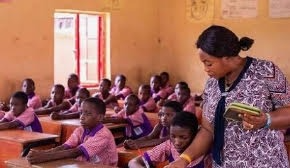
Moral education can also be made practical rather than being treated as another theoretical subject. Teachers can use real-life situations, case studies, debates, group discussions and role-playing exercises to help students understand ethical issues and practise decision-making.
For instance, students could discuss situations involving bullying, cheating in examinations, peer pressure, discrimination, respect for public property and responsible use of social media. Such activities can encourage critical thinking while helping students understand how their decisions affect other people.
However, introducing moral and ethical education as a compulsory subject also presents challenges. Some parents and educators may consider it an additional burden on an already crowded school curriculum. There are also concerns about how schools can teach morality fairly in societies where cultural and personal values may differ.
Teacher preparedness is another important consideration. Educators need appropriate training to handle sensitive discussions and ensure that classroom conversations encourage understanding rather than imposing personal beliefs on students.
These challenges could be addressed through inclusive curriculum development and consultation with parents, educators, community leaders and other relevant stakeholders. The curriculum should focus on broadly applicable values such as integrity, respect, responsibility, empathy, fairness and peaceful coexistence while recognising cultural diversity.
Schools can further strengthen moral education by involving students in community service, volunteer activities, environmental projects and peer-support programmes. Such experiences can help students translate lessons about responsibility and compassion into practical action.
Ultimately, the purpose of education is not only to produce academically successful students but also to prepare young people for life beyond the classroom. Academic knowledge may open doors to future opportunities, but character, responsibility and respect can influence how individuals use those opportunities.
As schools continue to respond to the challenges facing children in a rapidly changing world, moral and ethical education deserves serious consideration. When properly designed and delivered, it can complement academic learning by helping young people develop the values and social skills needed to become responsible members of their communities.
Chizoba Njaka is of the Ministry of Information and Value Reformation, Anambra State
#Ministryofinformationandvaluareformation
#Informationiskey
#Solutionishere
🇳🇬
Official website of the Government of Anambra State
Here's how you know
🏛️
Official government websites
A .gov.ng is an official Nigerian government website managed by authorised government institutions.
🔒
Secure websites use HTTPS
A padlock icon and https:// means your connection is encrypted and secure.
- News & Media
- Citizen Engagement
- Projects
- Grievance Redress
- Contact Us