By Chizoba Njaka
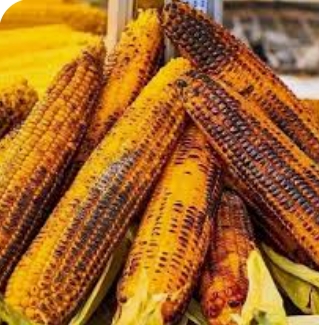
The roasted corn trade is increasingly becoming one of the most profitable small-scale businesses in Awka and other parts of Nigeria, with many roadside vendors reporting profit margins of between 50 and 100 per cent during the peak maize harvest season.
Findings from local markets indicate that the business requires relatively low startup capital. Traders disclosed that an investment of about N10,000 can cover the purchase of fresh maize, charcoal or firewood, as well as complementary items such as African bush pear (ube), coconut, and roasted groundnuts.
Speaking at Eke Amawbia Market, Mrs. Amarachukwu Ibe, a roadside roasted corn vendor, described the enterprise as a rewarding venture for individuals willing to dedicate time and effort to it.
According to her, entrepreneurs can realise substantial returns even with modest capital, particularly when operating in locations with high pedestrian traffic.
Another trader, Mrs. Ngozika Moses, advised prospective vendors to source fresh maize directly from farmers or rural wholesale markets, stressing that lower procurement costs can significantly improve profit margins.
The widespread popularity of roasted corn continues to attract customers at markets, bus stops, schools, office areas, and construction sites. Vendors identified strategic location as a key determinant of daily sales and overall profitability.
A student entrepreneur at Nnamdi Azikiwe University, Awka, Michael Nwosu, observed that roasting maize adds considerable value to the product and creates opportunities for higher earnings. He added that serving roasted corn alongside coconut, ube, or groundnuts often increases customer demand.
Beyond its commercial appeal, roasted corn remains a popular seasonal delicacy among Nigerians. The snack is a source of carbohydrates and dietary fibre, while accompaniments such as coconut and African bush pear contribute additional nutritional benefits.
Despite its profitability, vendors face several challenges, including the perishability of fresh maize, changing weather conditions, and the physical demands of roasting for extended periods over open fire. The business is also seasonal, with sales largely dependent on maize harvest cycles.
Nevertheless, many traders have adapted by switching to related products such as roasted plantain and groundnuts during the off-season. With demand remaining consistently high, the roasted corn trade continues to provide a dependable source of income for numerous small-scale entrepreneurs in Awka.
Chizoba Njaka is of the Ministry of Information and Value Reformation, Anambra State
#Ministryofinformationandvaluereformation
#Anambraisrising
#PowerInfrastructure
#Solutionishere
#Solutioncontinues
🇳🇬
Official website of the Government of Anambra State
Here's how you know
🏛️
Official government websites
A .gov.ng is an official Nigerian government website managed by authorised government institutions.
🔒
Secure websites use HTTPS
A padlock icon and https:// means your connection is encrypted and secure.
- News & Media
- Citizen Engagement
- Projects
- Grievance Redress
- Contact Us