By Angela Oduche
At dawn along the banks of the River Niger in Onitsha, the day begins with quiet determination. Fishermen push their wooden boats into the water, traders prepare goods for transport, and ferries hum to life, carrying passengers across the river that has sustained generations.
For many, the River Niger is more than a body of water — it is survival. “I have been fishing here for over 20 years,” Mr. Emeka Nwankwo said, a local fisherman, as he untangled his net. “This river feeds my family. But these days, the catch is reducing, and the water is changing.”

Stretching over 4,100 kilometers across West Africa, the River Niger flows through Guinea, Mali, Niger, and Nigeria before emptying into the Atlantic Ocean through the Niger Delta. In Nigeria, it remains a vital economic artery, supporting millions through fishing, farming, and transportation.
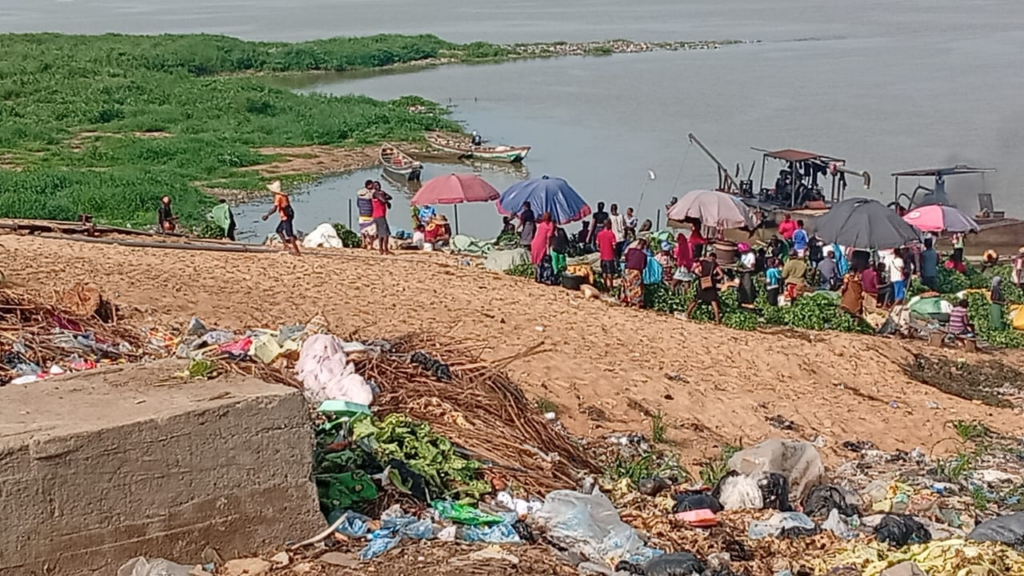
At the bustling Onitsha waterfront, traders rely heavily on the river to move goods.
“Transporting goods by road is expensive,” explained Mr. Uchenna Ezenwa Williams, a trader. “The river helps us reduce cost. Without it, business will be very difficult.”
Yet beneath its economic importance lies a growing crisis. Residents and environmental experts warn that pollution is steadily threatening the river’s health. Plastic waste, domestic refuse, and industrial discharge have become common sights along sections of the river.
“Sometimes, you see oil on the surface of the water. We still use it because we have no choice, but it is not safe,”said another resident, Ikenna Obi.
An environmental officer in Anambra State, who spoke on condition of anonymity, described the situation as urgent.
“The level of pollution we are seeing now is alarming. If nothing is done, it will affect not just livelihoods but public health on a large scale,” the official said.
Seasonal flooding adds another layer of hardship. During heavy rains, the river swells beyond its banks, submerging homes and farmlands.
“We lost everything during the 2022 flood,” recalled Mrs. Nkechi Ifeadigo, a farmer from a nearby community. “Our crops were destroyed, and we had to relocate for weeks. We are still trying to recover.”
Experts say climate change is intensifying these flooding patterns, making them more unpredictable and destructive. Environmental advocates are now calling for immediate and coordinated action from government and stakeholders.
“We need stricter enforcement of environmental laws and proper waste management systems. The River Niger is too important to be neglected.”
Despite the challenges, hope remains rooted in the resilience of the people. As the sun rises higher over the river, life continues — boats glide across the water, nets are cast, and trade goes on. For those who depend on it, the River Niger is not just a resource, but a lifeline worth protecting.
Angela is of the Ministry of Information, Anambra State