By Doris Onyekachi
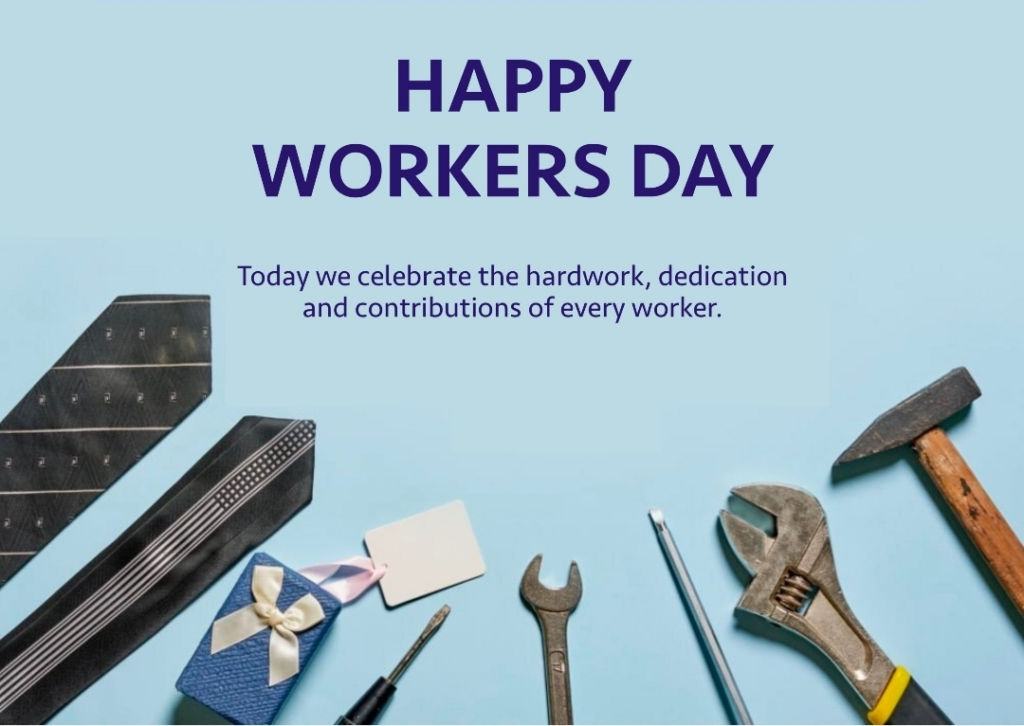
Nigeria joined the global community on May 1, 2026 to commemorate Workers’ Day, a public holiday honouring the men and women whose labour sustains society.
The observance traces back to the 1886 Haymarket Affair in Chicago, when workers protested 12 to 16 hour shifts in unsafe conditions, demanding an eight-hour workday. May 1 was adopted in 1889 by the Second International Labour Movement as a day of solidarity.
According to research, Nigeria held its first Workers’ Day in 1980 through the National Union of Petroleum and Natural Gas Workers, with the Federal Government declaring May 1 a public holiday in 1981. Since then, the NLC and TUC have marked the day with rallies, march-pasts, and dialogue with government.
Workers’ Day highlights the dignity of labour and provides a platform for unions to present demands on wages, pensions, health insurance, and workplace safety. Past celebrations have led to teacher recruitment, health worker bonuses, and civil service training in states like Anambra.
The day also honours labour victories such as the eight-hour workday, weekends, and maternity leave, while boosting morale through awards and free medical services. Workers’ Day remains a reminder that schools, hospitals, roads, and markets are built by the hands of workers.
Doris is of the Ministry of Information, Anambra State
🇳🇬
Official website of the Government of Anambra State
Here's how you know
🏛️
Official government websites
A .gov.ng is an official Nigerian government website managed by authorised government institutions.
🔒
Secure websites use HTTPS
A padlock icon and https:// means your connection is encrypted and secure.
- News & Media
- Citizen Engagement
- Projects
- Grievance Redress
- Contact Us