By Nnedinma Okeke
Expectant fathers have been urged to take a more active role in antenatal care, with health experts emphasizing that their involvement can contribute to healthier pregnancies, safer deliveries and improved outcomes for both mother and child.
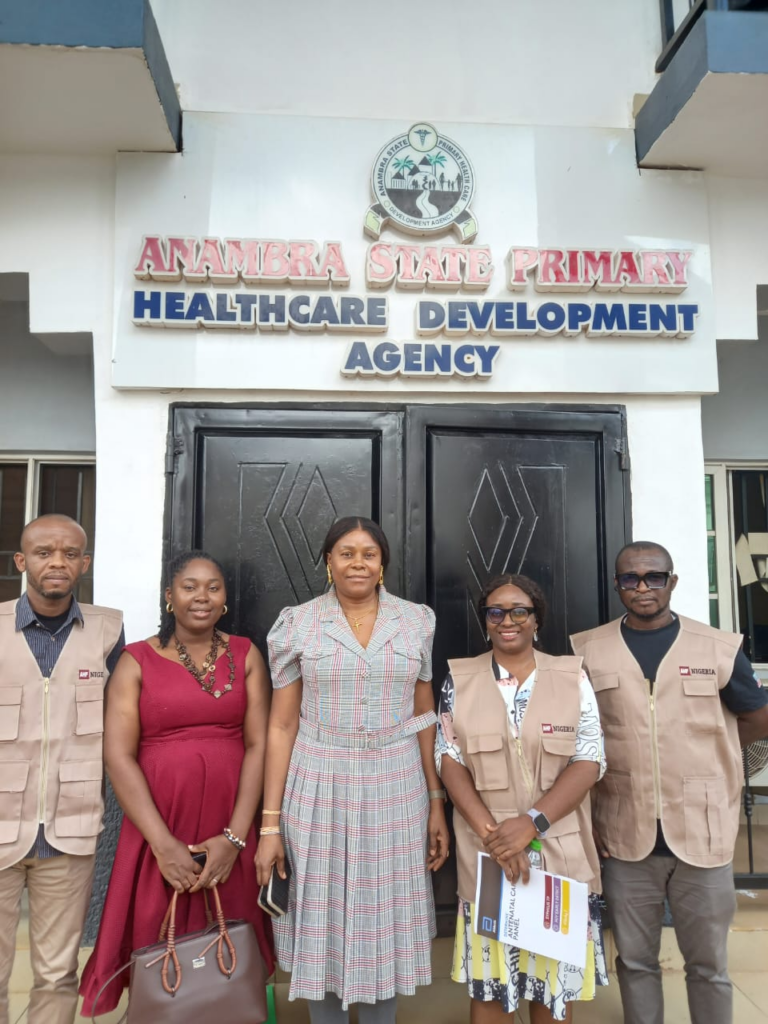
Speaking during an interview at the State Primary Healthcare office complex on July 8, Matron Edith Ezenwosu said that fathers who accompany their partners to antenatal clinic visits provide vital emotional, physical, and financial support, helping to reduce stress during pregnancy.
She explained that active participation in antenatal care enables expectant fathers to better understand the stages of pregnancy, recognize danger signs and prepare adequately for childbirth and newborn care.
According to her, men who attend antenatal sessions receive valuable information on maternal nutrition, birth preparedness, family planning, breastfeeding, immunization and the importance of skilled birth attendance.
“This knowledge equips them to make informed decisions and provide timely support during emergencies,” she said.
Matron Ezenwosu, who serves as the ASPHCDA Programme Officer for Integrated Management of Childhood Illnesses, noted that the presence of fathers during antenatal care strengthens family bonds, promotes shared responsibility in parenting, and encourages positive health-seeking behavior.
“It also fosters better communication between couples, leading to improved maternal mental well-being and greater adherence to medical advice,” she added.
She called on communities to create supportive environments that encourage male involvement in maternal healthcare, stressing that pregnancy and childbirth are family responsibilities in which fathers-to-be have an important role to play.
“To reduce maternal and infant mortality, increased participation of fathers in antenatal care will contribute to healthier families and stronger communities,” Matron Ezenwosu emphasized.
Health experts have consistently noted that when fathers are actively involved in antenatal care, pregnant women are more likely to attend clinic appointments regularly, seek timely medical attention and follow recommended health practices.
Nnedinma Okeke is of the Ministry of Information and Value Reformation, Anambra State