
By Azuka Nnabuife
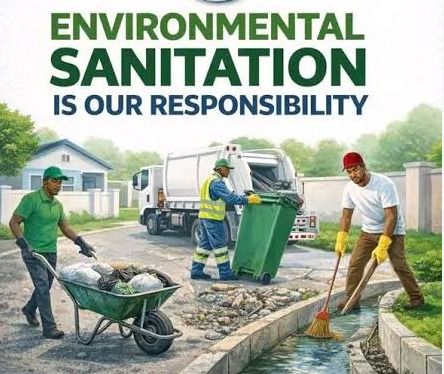
Environmental sanitation is essential to public health, community development and the overall well being of society. Keeping our homes, streets, markets, schools and public spaces clean helps create a safe and healthy environment for everyone.
Beyond improving the appearance of our surroundings, proper sanitation plays a significant role in preventing diseases. Poor waste management and unhygienic conditions can contribute to the spread of diseases such as cholera, typhoid, malaria and diarrhoea. Regular cleaning, proper refuse disposal and effective drainage management are therefore important in reducing health risks.
Recognising the importance of a clean environment, the Anambra State Government has continued to promote environmental sanitation through regular sanitation exercises, public enlightenment and efforts to improve waste management across the state. These initiatives reflect the importance attached to public health, environmental protection and the creation of cleaner communities.
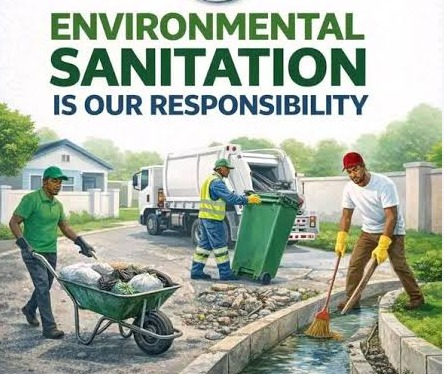
The government’s efforts also extend to encouraging residents to take greater responsibility for their immediate surroundings. This is particularly important because indiscriminate dumping of refuse into drainage channels can obstruct the free flow of water, resulting in flooding, property damage and other environmental problems.
A clean environment also contributes to economic development. Communities with good sanitation are more attractive to businesses, investors and visitors. Responsible environmental practices further help reduce air, water and land pollution, protect natural resources and preserve the environment for future generations.
While government continues to provide direction and promote sanitation initiatives, residents must complement these efforts by adopting proper waste disposal habits, keeping their surroundings clean, avoiding the blockage of drainage channels and participating actively in monthly environmental sanitation exercises.
Traders, market associations, landlords, business owners and community leaders also have important roles to play in sustaining these efforts. Environmental cleanliness should not be left to sanitation officials or observed only on designated sanitation days; it should become part of our everyday lifestyle.
The success of environmental sanitation depends on a strong partnership between government and the people. When residents support and sustain the initiatives put in place by government, the benefits extend beyond cleaner streets to improved public health, reduced flooding and safer communities.
Ultimately, keeping Anambra clean is a shared responsibility. A clean environment is a healthy environment, and maintaining it requires the continued commitment of everyone.
Azuka Nnabuife is of the Ministry of Information and Value Reformation, Anambra State
#EnvironmentalSanitation
#DiseasePrevention
#HealthyLiving