By Chizoba Njaka
As the rainy season gradually comes to an end across the country, particularly in the South-East, residents of Anambra State have on Oct. 29 expressed mixed reactions to the approaching dry season, which typically lasts from November to March. While many anticipate relief from flooding, erosion and difficult road conditions, others are concerned about rising temperatures, dusty winds, water shortages and the impact on farmers who depend on rainfall.
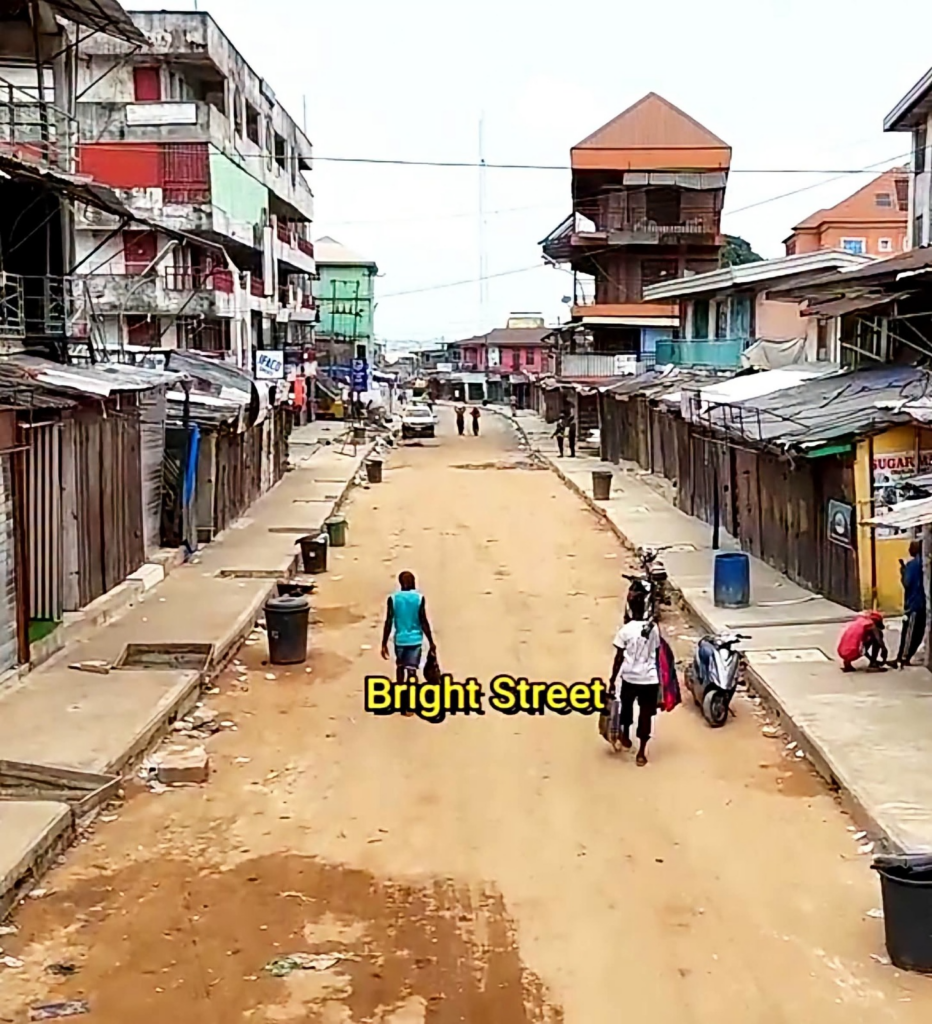
For many residents in and around Awka metropolis, the transition to the dry season offers hope for improved mobility, easier transportation and increased commercial activities. Heavy rainfall in Anambra has repeatedly contributed to flooding and gully erosion, resulting in damage to roads, buildings, farmlands and other infrastructure.
The environmental challenges have remained important issues in the development priorities of Governor Chukwuma Soludo’s administration, which has placed infrastructure renewal, environmental sustainability and improved living conditions among its governance priorities.
Traders, motorists, students and workers in flood-prone communities believe that reduced rainfall could improve access to markets, schools and workplaces. This is particularly significant in areas where erosion and inadequate drainage systems make roads difficult to navigate during heavy downpours. Recent reports have also highlighted severe gully erosion concerns in communities across Nnewi North, Nnewi South and Ekwusigo Local Government Areas, where expanding gullies have destroyed homes, displaced residents and disrupted access roads.
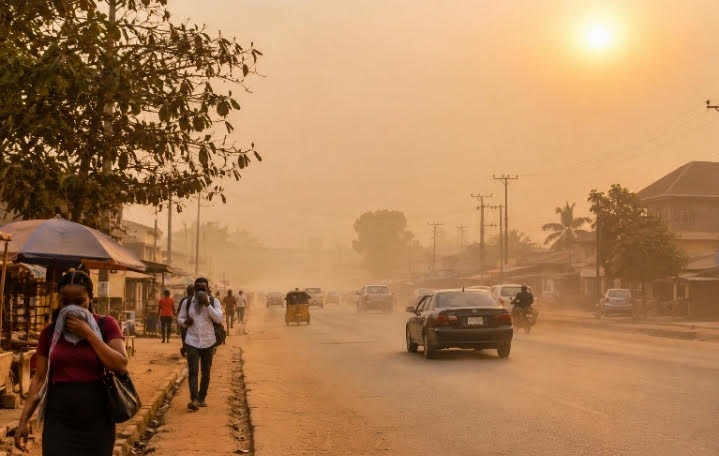
Despite the anticipated relief, the approaching dry season has raised concerns among residents over the challenges associated with prolonged dry weather. Anambra’s dry season is characterised by increased temperatures and the harmattan, a dry, dust-laden wind that typically affects the state between November and February. Residents fear that dusty conditions could aggravate respiratory illnesses, including coughs, catarrh and asthma, particularly among children, older people and individuals with existing health conditions.
The end of the rainy season could also present difficulties for households that depend on reliable rainfall and groundwater recharge for their water supply. Residents in communities with inadequate boreholes or unreliable public water systems are concerned that accessing water for drinking, cooking, bathing and other domestic activities could become more difficult and expensive.
Farmers are equally concerned about the possible impact of the dry season on agricultural production, particularly those who depend on rain-fed farming. With regular rainfall gradually giving way to drier conditions, agricultural activities could face challenges, especially for crops that require consistent moisture. Farming in Anambra generally follows the seasonal pattern, with the rainy season running from April or May to October and the dry season extending from November to March or April.
Nevertheless, residents believe that the approaching season presents opportunities for improved economic activities, easier transportation and greater social interaction. They also expressed expectations that the development vision of the Soludo administration would continue to place emphasis on environmental sustainability, infrastructure development and improved living conditions across communities.
They further noted that the changing weather conditions require individuals and households to adjust their daily activities, particularly in managing water consumption, protecting their health and taking precautions against fire outbreaks during the dry season. Residents expressed optimism that the new season would bring improved trading conditions, easier movement and a more favourable environment for economic activities, while acknowledging the need for collective responsibility in managing its associated challenges.
They maintained that although the end of the rainy season offers relief from some environmental difficulties, adequate preparation and sustained attention to the state’s development priorities would be important in ensuring a smoother transition into the dry season.
Chizoba Njaka is of the Ministry of Information and Value Reformation, Anambra State
#Ministryofinformationandvaluareformation
#Informationiskey
#Solutionishere
🇳🇬
Official website of the Government of Anambra State
Here's how you know
🏛️
Official government websites
A .gov.ng is an official Nigerian government website managed by authorised government institutions.
🔒
Secure websites use HTTPS
A padlock icon and https:// means your connection is encrypted and secure.
- News & Media
- Citizen Engagement
- Projects
- Grievance Redress
- Contact Us