By Chikodili Ideke
Popular entrepreneur and technology investor, Linus Williams Ifejika, popularly known as B-Lord, has pledged support for the Anambra State Government’s drive to modernise public transportation through electric mobility and smart transport infrastructure.
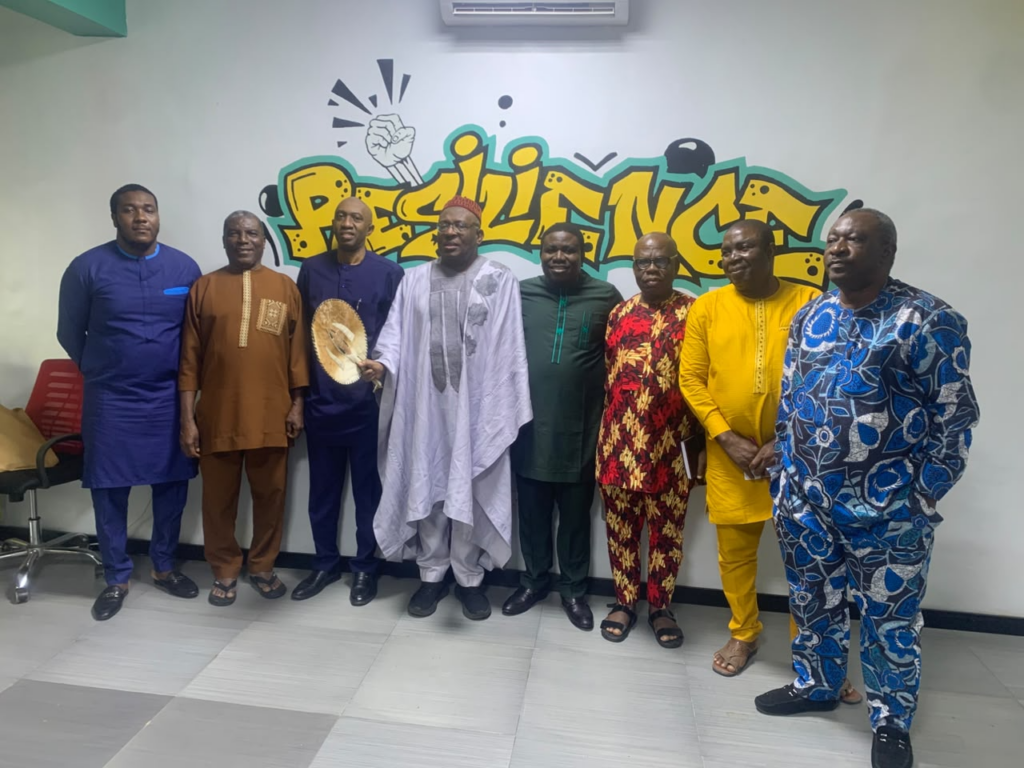
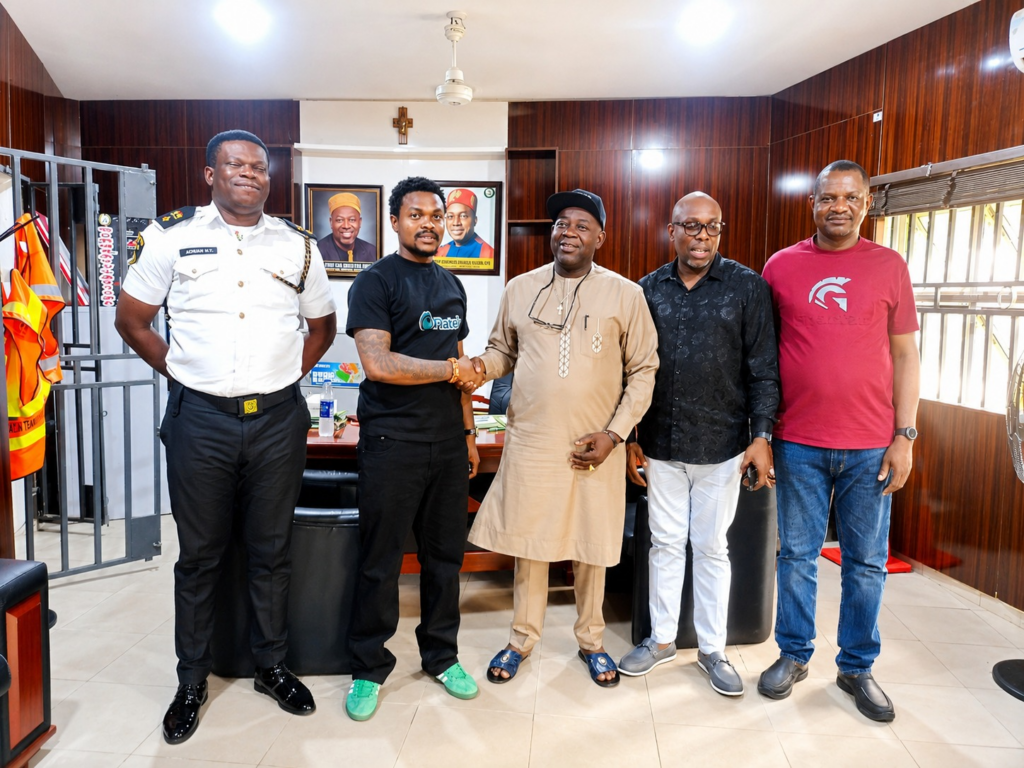
B-Lord, an indigene of Umuji, Ebenebe in Awka North Local Government Area(LGA), recently made the commitment during a courtesy visit to the Anambra State Commissioner for Transport, Hon. Edward Ibuzo, where both parties explored areas of collaboration to promote sustainable transportation across the state.
Renowned for his contributions to technology, fintech, cryptocurrency and digital innovation, the entrepreneur expressed his readiness to partner with the state government in providing affordable, efficient and environmentally friendly transport services for residents.

As part of the proposal, B-Lord unveiled plans to introduce electric buses on selected routes, beginning with a pilot scheme of five buses. According to him, the initiative will demonstrate the reliability, affordability and efficiency of electric-powered public transportation while meeting modern urban mobility standards.
He pledged to develop, at no cost to the government, a dedicated mobile application that will enable commuters to track buses in real time, access schedules, purchase electronic tickets and enjoy seamless cashless payment services.
Speaking during the meeting, the commissioner for transport disclosed that the state government is already working on smart bus stops equipped with passenger shelters, seating areas, surveillance cameras, digital information displays and real-time bus arrival systems to improve commuter safety, comfort and convenience.
B-Lord explained that the proposed electric buses would be sourced from reputable manufacturers in China. Each bus, he said, can travel about 300 kilometres on a single charge and requires significantly lower maintenance than conventional fuel-powered vehicles.
Addressing concerns about battery longevity, he noted that electric vehicle batteries have a minimum lifespan of eight years and can be replaced when necessary, making the system both economically viable and environmentally sustainable.
The discussions highlighted opportunities for generating additional revenue through branded buses, sponsored smart bus stops, commercial advertising and the installation of solar-powered charging stations to ensure uninterrupted operations while reducing dependence on the national grid.
Both parties expressed optimism that the proposed public-private partnership would lower transportation costs, enhance commuter experience, attract investment, create employment opportunities and position Anambra as a leading destination for smart and sustainable urban mobility in Nigeria.
Chikodili Ideke is of the Ministry of Information and Value Reformation, Anambra State