By Sylvia Tochukwu-Ngige
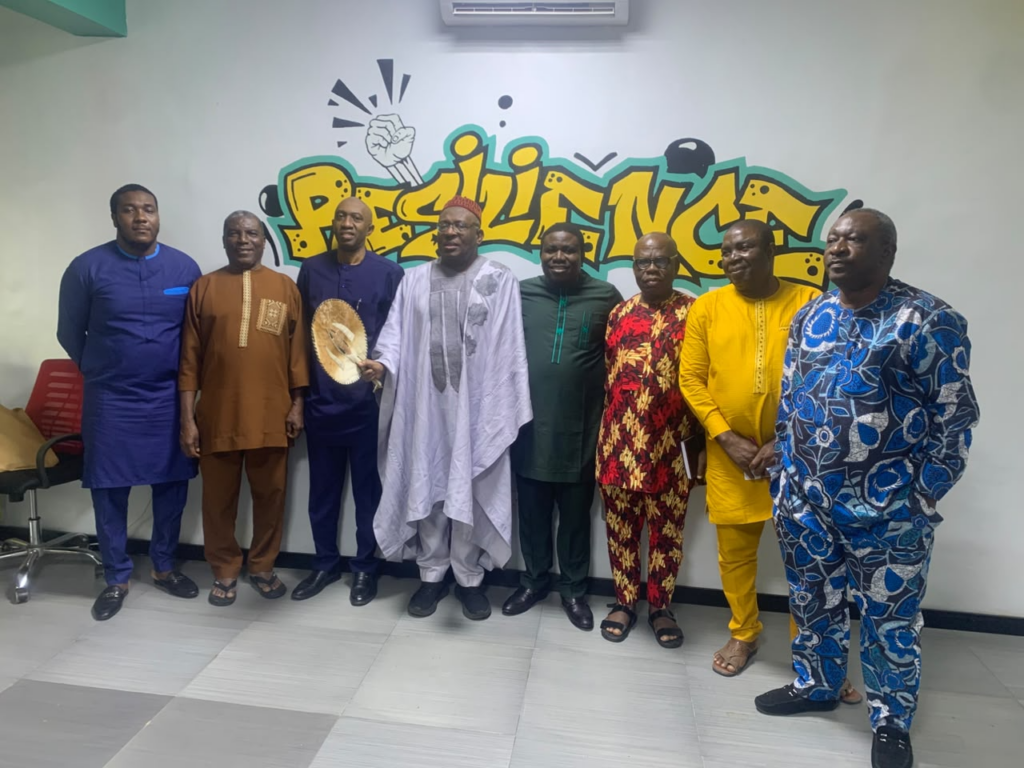
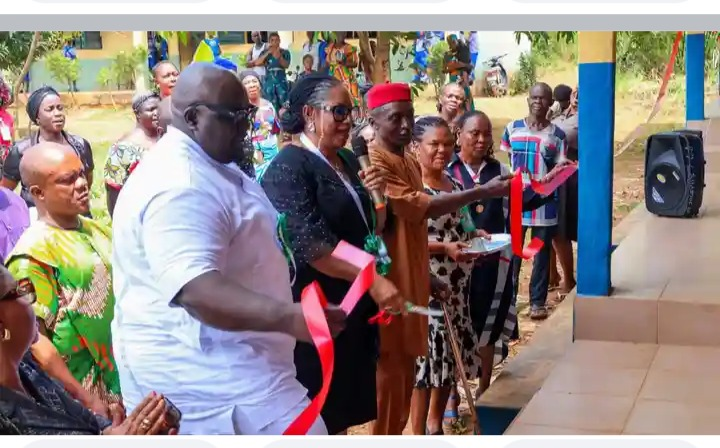
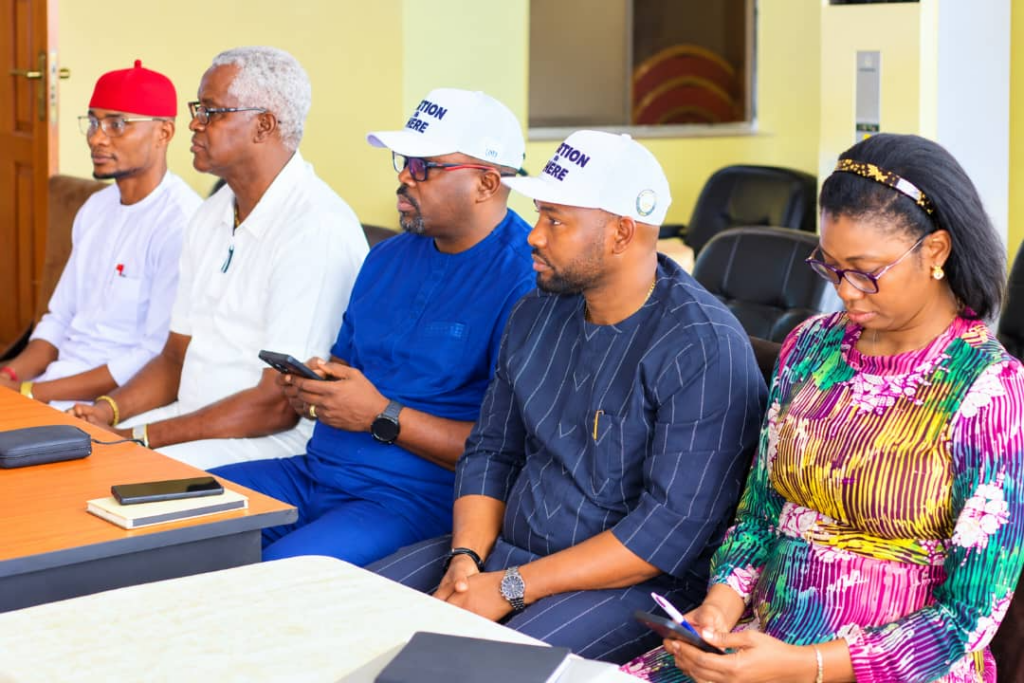
Ideas, concerns and aspirations for a better Awka Capital Territory took centre stage as the ACCIONA Group, the Spanish firm appointed by the African Develooment Bank (AfDB), in collaboration with the AfDB and the Awka Capital Territory Development Authority (ACTDA), convened a Priority-Setting Workshop for the Awka 2.0 project.
The workshop, held at the Awka South Local Government Secretariat, Amawbia, on September 16, marked the second phase of the project. It followed an initial city diagnostic visit in June, during which the project team engaged citizens and key stakeholders to identify the major challenges confronting the capital city.

Welcoming participants, the Managing Director/CEO of ACTDA, Dr. Ossy Onuko, said the workshop was an important part of the project’s methodology, which requires the team to return to the people with its findings and jointly determine development priorities.
“In June this year, the ACCIONA team and AfDB representatives were here for the city diagnostic project. The methodology requires them to come back to tell the citizens what they found during the first visit, and to jointly set priorities,” Onuko said.
Also speaking, the Mayor of Awka South Local Government Area, Prince Chinedu Okafor, urged stakeholders to take the exercise seriously, stressing that active participation was essential to ensuring that the eventual master plan reflects the genuine needs and aspirations of the people.
Presenting the findings, the Project Leader, Mr. Claudio Accioly, identified 12 major challenges and problems affecting Awka Capital Territory. They include weak inter-agency coordination, limited municipal autonomy, poor stakeholder participation, dependence on government transfers, low Internally Generated Revenue and inefficient land administration.
The assessment also highlighted rapid urban expansion, inadequate affordable housing, insecure land tenure, traffic congestion, poor road maintenance, limited water and sanitation infrastructure, weak waste collection and illegal dumping. Flooding, erosion, land degradation, poor watershed management, power outages, inadequate street lighting and a weak local economy were also identified as major concerns.
After deliberations, six priority areas emerged. They included roads and drainage, water and sanitation, municipal finance, environment and climate change, energy and electricity supply, and urban planning.
Stakeholders were subsequently divided into five focus groups to explore specific areas, including solid waste disposal, sustainable energy and power, roads, drainage and erosion, urban planning and housing.
The workshop concluded with presentations from the various groups, followed by a live online voting exercise through which participants indicated the priority areas they considered most critical to transforming Awka into a more livable and sustainable capital city.
The exercise formed part of the broader Awka 2.0 vision, which sought to develop a practical, people-centred framework for the future growth and development of Awka Capital City.
Sylvia Tochukwu-Ngige is of the Ministry of Information and Value Reformation, Anambra State
#ACTDA
#Awka2.0
#SustainaleCities
#MinistryOfInformationAndValueReformation
#SolutionContinues