By Chizoba Njaka
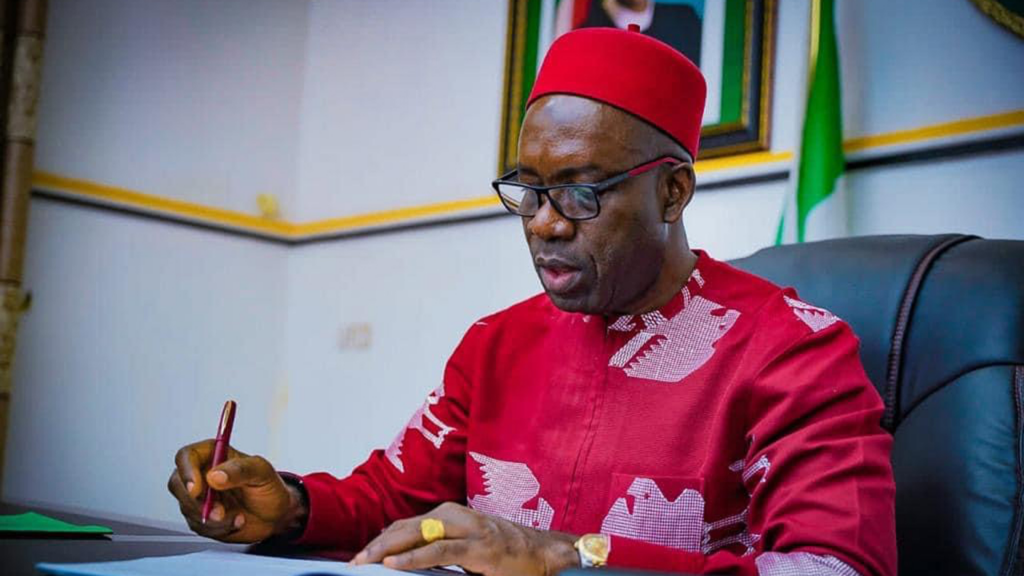
When Governor Chukwuma Soludo steps out in a crisp, handwoven Akwete outfit, he’s doing more than dressing for the occasion. Residents, artisans, and cultural advocates say the governor’s consistent display of the iconic Igbo textile is rekindling cultural pride, boosting incomes, and repositioning Anambra as a hub for heritage and creativity.
Across Onitsha markets, Awka creative hubs, and civic gatherings statewide, Soludo’s choice is generating what locals call “the Akwete effect” eight tangible benefits that extend far beyond fashion.
For decades, Akwete was dismissed by younger generations as “grandmother’s cloth.” That perception is shifting. Community elders say the governor’s visibility has made tradition fashionable again. “When he wears Akwete, it reminds our youth that our traditions are valuable and worth preserving,” said an Onitsha elder. Social media posts of the governor in Akwete now draw thousands of comments from young Anambrarians rediscovering the fabric.
The economic impact is most visible at weaving centers in Ndoki, Abia border communities, and Eke-Akwete Market. Mrs. Ngozi Eze, a third-generation weaver, said: “Orders have risen; families who weave for generations are getting work again.” Traders in Onitsha Main Market and Awka report a 30-40 per cent spike in enquiries since 2023 when Soludo began featuring Akwete at public events.

Designers are blending Akwete with contemporary silhouettes like blazers, shoes, bags, and face masks, expanding income streams beyond raw fabric sales. “We’re no longer just selling meters of cloth. We’re selling Anambra to the world,” said an Awka-based designer whose Akwete sneakers debuted at Lagos Fashion Week.
Tourism operators say the governor’s use of Akwete helps brand Anambra as a cultural destination. It aligns with Soludo’s “One Youth, Two Skills” initiative and the state’s push for festivals like Ofala, Imoka, and New Yam. Visitors now ask tour guides specifically for “the governor’s fabric experience.”

Training centers report renewed interest in weaving as a vocational path, with Akwete packaged as a marketable skill under state empowerment programs. Traders also report enquiries from buyers outside Anambra and from the Nigerian diaspora in the US, UK, and South Africa potential for increased foreign exchange if supply chains are formalized.

Civic leaders say the governor’s choice signals commitment to local culture and fosters unity. “It’s more than cloth; it’s a statement that our traditions matter in modern governance,” said a Nnewi activist. By wearing Akwete instead of imported fabrics, Soludo models his “Made-in-Anambra” economic philosophy.
Cultural analysts caution that sustaining these gains requires funding for artisan cooperatives, structured training, market access, and intellectual property protection for traditional designs. Still, community voices agree the governor’s support has set economic and social gains in motion. As one trader put it: “Soludo didn’t just wear Akwete. He wore our story. And now the world is listening.”
Chizoba Njaka is of the Ministry of Information and Value Reformation, Anambra State
#Ministryofinformationandvaluereformation
#Anambraisrising
#SoludoAkwetefabric
#Informationiskey
#Solutionishere
#Solutioncontinues