By Florence Okpeti
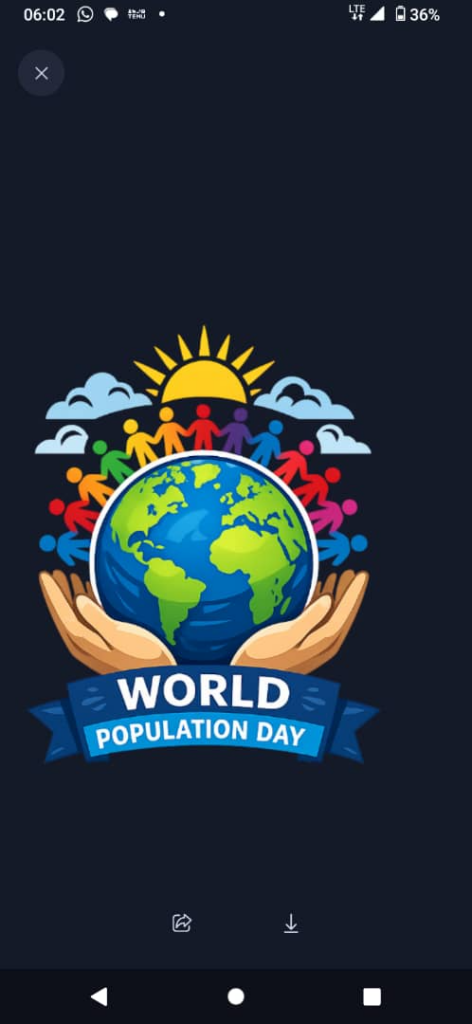
World Population Day, observed annually on July 11, serves as an important reminder of the realities of demographic change and the responsibilities that come with a growing global population.
In 2026, the observance focuses on youth aspirations, emphasizing that the future of humanity depends not merely on population numbers but on the opportunities societies create for young people.
With the world’s population projected to approach 8.5 billion, demographic growth presents both opportunities and challenges. A larger population can contribute to a stronger workforce, increased innovation and greater cultural dynamism. However, without adequate planning, rapid population growth can place pressure on resources, widen inequality, and intensify climate-related concerns.
Countries such as Nigeria, where nearly one-third of the population is under the age of 30, stand at a critical juncture. Investing in education, job creation, healthcare, and social inclusion is essential to harnessing the potential of this youthful population and avoiding widespread disillusionment.
This year’s emphasis on young people is particularly significant. Many youths around the world aspire to stable employment, affordable housing, quality healthcare, and meaningful participation in society. Yet economic uncertainty, political instability, and limited opportunities continue to hinder their progress.
Urbanization also remains a pressing concern. By 2050, it is estimated that about two-thirds of the world’s population will live in urban areas. Without proper planning, this shift could result in overcrowding, inadequate infrastructure, and environmental degradation. Conversely, well-planned cities can become centres of opportunity, innovation, and resilience.
Migration is another critical aspect of the population discourse. As climate change intensifies, millions of people may be displaced, creating new demographic pressures across regions and borders. Humane and effective migration policies are therefore essential to promoting stability and safeguarding human dignity.
In Nigeria, the challenge of youth unemployment remains significant. Many young people are engaged in informal or underpaid work, limiting their ability to achieve economic security. Deliberate investments in skills acquisition, entrepreneurship, and technology-driven industries are necessary to maximize the country’s demographic advantage.
Gender equality is also central to responsible population management. Expanding women’s access to education, reproductive healthcare, and economic opportunities enables informed decision-making and contributes to healthier, more prosperous societies.
World Population Day should not be viewed as a platform for alarmism but as a call for balanced and forward-looking action. Population growth is neither inherently positive nor negative; its impact depends on how governments, institutions, and communities respond through inclusive policies, climate action, and sustained investment in human capital.
As the global community reflects on this year’s observance, the message is clear: World Population Day young people, promoting equity, and protecting the environment are essential steps toward building a sustainable and prosperous future for all.
Florence Okpeti is of the Ministry of Information and Value Reformation, Anambra State