By Chris Chikelue
Africa must move beyond exporting its vast natural gas resources and focus on converting its gas wealth into industrial development, job creation, economic prosperity and stronger energy security.
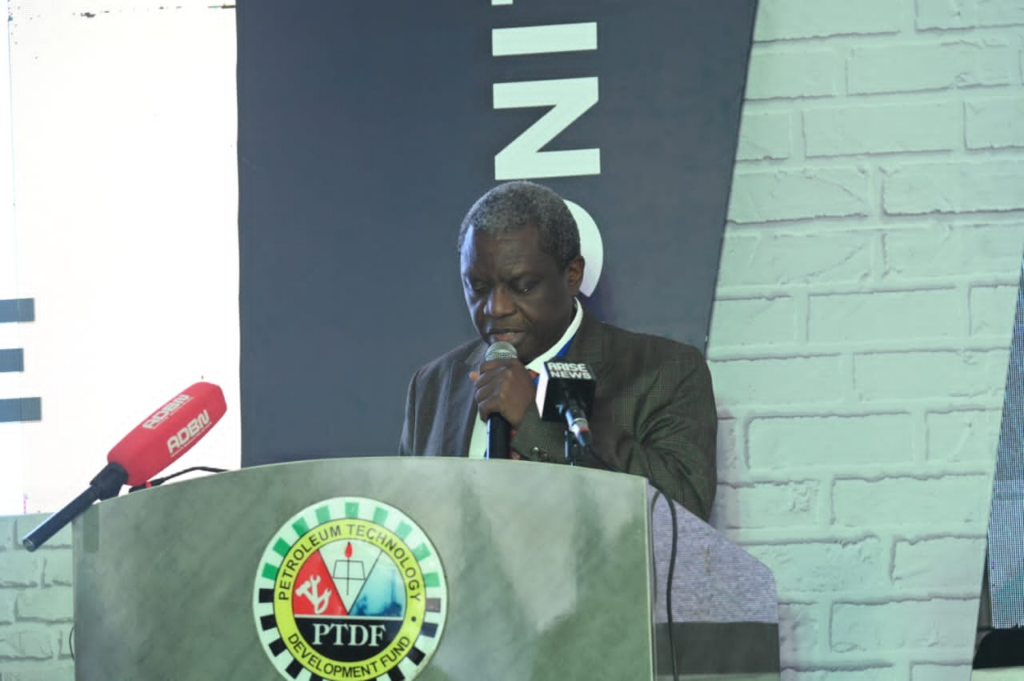
Vice-Chancellor of Transatlantic University of Medicine and Health Sciences, Prof. Charles Esimone, made the call on Oct. 28 while speaking at the third annual EMOGAS International Natural Gas Based Industry Conference and Exhibition in Abuja.
He observed that despite Africa’s enormous natural gas reserves, the continent had yet to fully translate its resource potential into sustainable industrialisation and broad-based economic development.
Prof. Esimone challenged African governments and industry stakeholders to shift attention from the volume of gas resources available to how effectively they could be developed, commercialised and utilised to create economic value.
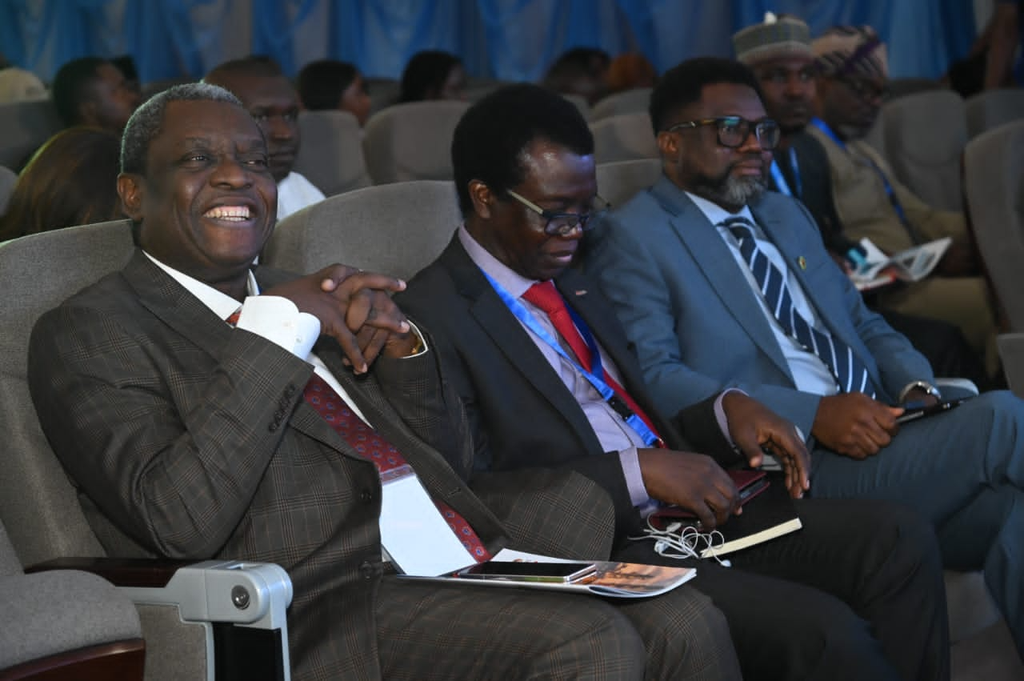
“Africa needs to move beyond the question of how much gas it possesses to focus on developing these resources responsibly, attracting investment and expanding its participation in global energy markets.
“The more important questions are: How do we develop these resources responsibly? How do we create stronger producer partnerships? How do we attract and sustain investment?” he asked.
The conference, themed “Accelerating Africa’s Global LNG Trade Share and Driving Gas Industrialisation Through Innovative and Strategic Upstream Petroleum and Gas Producer Synergies and Investment Decisions,” explored strategies for unlocking Africa’s gas potential through investment, innovation and strategic partnerships.
Prof. Esimone, who is also Pro-Chancellor of European University, stressed the need for stronger collaboration among governments, industry players, academic institutions and entrepreneurs to transform natural gas resources into commercially viable products and services.
He noted that while governments must provide an enabling policy and regulatory environment, the private sector should contribute the capital, technology and operational expertise required to drive the industry.
The university administrator also emphasised the importance of innovation, urging Africa to move beyond being a consumer of emerging technologies such as artificial intelligence, advanced data analytics, digital twins and automation.
According to him, the continent must develop and commercialise technological solutions that address its unique industrial challenges and strengthen its competitiveness in the global energy market.
He further called for increased investment in human capital and stronger partnerships among universities, research institutions, governments and industry to ensure that African engineers, scientists and entrepreneurs play more significant roles across the energy value chain.
Discussions at the conference also covered liquefied natural gas (LNG) trade, investment partnerships, gas utilisation and monetisation, energy security, and the application of advanced technologies in protecting critical gas infrastructure.
In his remarks, the Founder of EMOGAS Limited and conference organiser, Sir Emeka Okafor, called for stronger cooperation among government, industry operators, investors and indigenous businesses to transform Nigeria’s gas resources into industrial growth, employment and wider economic opportunities.
“Nigerians have no business being poor,” he declared, stressing the need for the country to move beyond resource extraction towards developing domestic industries, strengthening indigenous technology and expanding local participation across the gas value chain.
Okafor urged the government to establish a favourable investment climate and ensure that business opportunities and project awards were determined by merit rather than political connections.
Also speaking, the General Manager, Midstream Monitoring Division of the Nigerian Content Development and Monitoring Board (NCDMB), Mr. Ozimede Suleiman, said the Board was deploying its financing programmes to help Nigerian businesses overcome funding challenges and expand their participation in the oil and gas industry.
He explained that under the Nigerian Oil and Gas Industry Content Development Act, companies seeking to operate in Nigeria’s oil and gas sector are required to submit Nigerian Content Plans outlining how indigenous businesses would participate in their operations.
Suleiman encouraged Nigerians to explore emerging opportunities across the gas value chain as the global energy landscape evolves, identifying compressed natural gas (CNG) and other gas-related businesses as areas with significant potential for indigenous enterprise development.
The conference highlighted the need for Africa to harness its natural gas resources through strategic investments, technological innovation, local capacity development and effective partnerships to accelerate industrialisation and improve the living standards of its people.
Chris Chikelue is of the Ministry of Information and Value Reformation, Anambra State
#GasIndustrialisation #AfricanEconomicGrowth #EnergySecurity