By Alufo Bonaventure
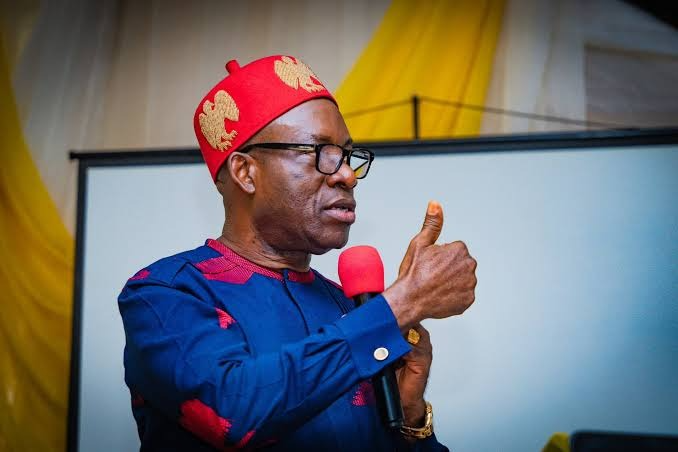
For years, physical planning in Anambra has faced the challenge of balancing rapid urban growth with the need for orderly, safe and sustainable development. A renewed effort to address this challenge is taking shape under the Commissioner for Physical Planning and Urban Development, Barr. Chijioke Ojukwu.
Since assuming office, Ojukwu has intensified attention to planning regulations, building permits, development control and compliance with approved physical development plans. His approach has strengthened the ministry’s enforcement drive while placing professionalism, public safety and orderly development at the centre of physical planning.
A major feature of the new direction is the campaign against illegal structures and developments obstructing roads, drainage channels and other public infrastructure. Through initiatives such as “Operation Zero Shanties” and “Operation Show Your Building Permit,” the ministry is seeking to ensure that developments are properly approved and conform to established planning standards.
The approach, however, goes beyond enforcement. Ojukwu has engaged architects, engineers, builders, town planners and other built environment professionals, stressing collective responsibility for maintaining standards. He has emphasised that professionals must uphold their obligations, while developers obtain the necessary approvals before commencing construction.
Building safety has also emerged as a key component of the ministry’s renewed agenda. Concerns over building failures have underscored the importance of proper design, supervision, approval and construction practices. By strengthening inspections and acting against developments that violate safety requirements, the ministry is reinforcing physical planning as an important instrument for protecting lives and property.
Another dimension is the effort to make compliance more accessible and transparent. Clearer planning requirements and efficient approval processes can encourage developers to operate within the law rather than view regulation as an obstacle. Ojukwu’s approach therefore combines enforcement with engagement, giving developers and professionals a clearer understanding of their responsibilities.
The ministry’s activities in Awka, Onitsha and Nnewi also point to a broader urban management agenda. As commercial activities expand and communities become more densely developed, proper zoning, road setbacks, drainage systems and coordinated land use are increasingly important to ensure that growth does not compromise the functionality and safety of the cities.
For Anambra, the renewed attention to physical planning goes beyond the activities of one commissioner. It speaks to the need for a culture where development is guided by approved plans, professional standards and the wider public interest. If sustained, the approach could help reduce unplanned structures and strengthen confidence in the state’s urban management system.
Ojukwu’s tenure is still relatively young, and the full impact of the reforms will take time to assess. However, increased enforcement, professional engagement, attention to building safety and renewed emphasis on compliance suggest a more assertive approach.
The “new face” of physical planning in Anambra may ultimately be defined not by the number of structures removed, but by how effectively the state establishes a lasting culture of planned, safe and sustainable urban development.
Alufo Bonaventure is of the Ministry of Information and Value Reformation, Anambra State
#Ministryofinformationandvaluereformation
#Anambraisrising
#Ojukwu #UrbanDevelopment
#Solutionishere
#Solutioncontinues