By Chiedu Uche Okoye
An endangered dialect of the Igbo language spoken in Obosi, Anambra State, is gaining renewed life through a digital initiative designed to preserve the community’s linguistic heritage while promoting unity and cultural values among indigenes at home and in the diaspora.
The initiative, known as the Revive Obosi Dialect (ROD) Quiz, was conceived by Canada-based Obosi indigene, Pharmacist Obinna Egbuonye, in response to growing concerns over the gradual decline of the unique Obosi dialect.
Language experts have long emphasized that language is more than a means of communication; it embodies a people’s history, identity, values, and worldview. While major Nigerian languages such as Igbo, Hausa, and Yoruba continue to thrive, several indigenous dialects face extinction due to declining usage and cultural assimilation.
For centuries, the Obosi dialect has served as a repository of the community’s traditions, expressed through proverbs, idioms, riddles, and other forms of oral literature. Elders traditionally used the dialect to impart moral lessons, correct erring youths, and preserve cultural practices. However, rapid urbanization and increasing interaction with speakers of other dialects have contributed to a steady erosion of fluency among younger generations.
Concerned by this trend, Egbuonye and a group of Obosi indigenes in the diaspora launched the ROD Quiz, a weekly online competition conducted simultaneously across various Obosi WhatsApp platforms. Participants are challenged to interpret and explain Obosi proverbs, idioms, and riddles, with cash prizes awarded to winners.
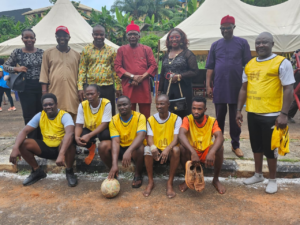
The initiative builds on an earlier village-based dialect competition involving Obosi’s five villages. The physical contest was won by Uruowulu Village under the leadership of Nze Isaac Ejindu, popularly known as Nnanyelugo. Encouraged by the success of the competition, the organizers expanded the concept online to reach a wider audience.
Since its introduction, the ROD Quiz has attracted hundreds of participants from different parts of the world, reconnecting diaspora indigenes with their linguistic roots and encouraging younger generations to learn the dialect.
Stakeholders say the project has achieved more than language preservation. According to them, it has strengthened communal bonds, fostered healthy interaction among villages, and redirected attention from local disputes toward cultural enrichment and shared heritage.
Many participants have also embraced the dialect as a symbol of identity and pride, increasingly incorporating it into daily conversations and community engagements.
Egbuonye noted that the goal of the initiative is to maintain the originality of the Obosi dialect and prevent its distortion or disappearance. He said the project demonstrates how technology can be effectively deployed to safeguard indigenous languages and cultural heritage.
With the United Nations Educational, Scientific and Cultural Organization (UNESCO) warning that a language disappears approximately every two weeks worldwide, the Obosi experience is emerging as a practical model for communities seeking innovative ways to preserve endangered languages in the digital age.
Chiedu Uche Okoye is of the Ministry of Information and Value Reformation, Anambra State
#Ministryofinformationandvaluereformation
#Anambraisrising
#Informationiskey
#Solutionishere
#Solutioncontinues
🇳🇬
Official website of the Government of Anambra State
Here's how you know
🏛️
Official government websites
A .gov.ng is an official Nigerian government website managed by authorised government institutions.
🔒
Secure websites use HTTPS
A padlock icon and https:// means your connection is encrypted and secure.
- News & Media
- Citizen Engagement
- Projects
- Grievance Redress
- Contact Us