
By Chizoba Njaka
As schools close for the long-term holiday, many parents have welcomed the return of their children and wards from school, describing the break as an opportunity for family bonding, rest and spending quality time together. However, the extended holiday has also generated mixed reactions among parents, particularly mothers, with some questioning whether children should remain at home for such a long period.

For some families, the holiday is a welcome relief after months of academic activities. Parents say it gives children the opportunity to rest from schoolwork, reconnect with family members and participate in household activities that may be difficult to accommodate during the school term.
A mother who spoke on the development said the holiday gives her an opportunity to spend more time with her children and monitor their activities outside the school environment. But for other parents, especially those who combine work and family responsibilities, the long break comes with additional challenges.
Some mothers said having their children at home for several weeks means increased spending on food and other household needs, while also requiring them to find ways of keeping the children occupied and away from negative influences. “It is good to have them back home, but it is not easy when you have to work and still worry about who will supervise them,” one parent said.
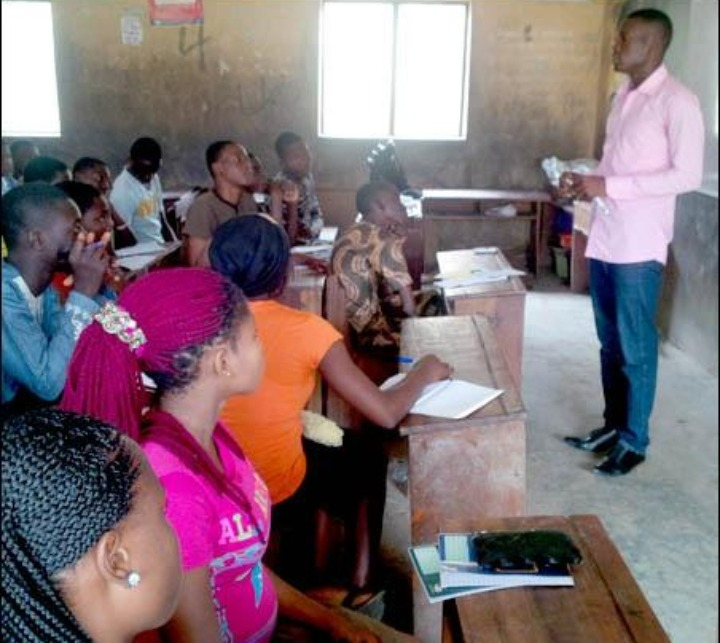
Another parent said she would prefer her children to attend well-organised holiday lessons or skills programmes for part of the vacation rather than remain idle at home throughout the period. The concerns are particularly significant in families where both parents work or where children have limited access to recreational facilities. For such families, a long holiday can become a period of increased financial and supervisory pressure.
On the other hand, education advocates argue that holidays are an important part of a child’s development and should not be viewed simply as a period away from school. Apart from allowing students to recover from academic stress, holidays can provide opportunities for children to develop practical skills, read beyond their school curriculum, participate in sports, learn household responsibilities and strengthen relationships with parents and other family members.
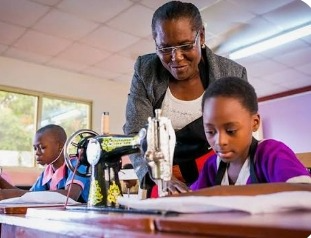
Rather than spending the entire period on mobile phones, television or social media, parents can encourage their children to participate in age-appropriate activities such as reading, cooking, farming, creative arts, sports, computer training, vocational skills and community activities.
Holiday lessons may also be useful for pupils who need additional academic support or those preparing for important examinations. However, parents and schools may need to strike a balance between academic activities and adequate rest. For working parents, supervised holiday programmes, skills-acquisition centres, sports programmes and other structured activities could also help reduce the pressure of keeping children engaged throughout the vacation.
The debate therefore goes beyond whether children should be in school or at home. It raises a broader question about how families, schools and communities can make school holidays both enjoyable and productive.
While some parents may see the long break as an added responsibility, others consider it an essential period for children to rest, reconnect with their families and develop skills that cannot always be acquired in the classroom.
Ultimately, the question remains: Is holiday a crime, or is it a necessary part of a child’s education and development?
Perhaps the answer lies not in eliminating the holiday, but in ensuring that the period is properly utilised giving children enough time to rest while providing them with meaningful activities that promote learning, creativity, responsibility and personal development.
Chizoba Njaka is of the Ministry of Information and Value Reformation, Anambra State
#Ministryofinformationandvaluareformation
#Anambraisrising
#Informationiskey
#Solutionishere
#Solutioncontinues